More shoppers are rethinking what touches their meals and produce long before it reaches the plate. Because of the growing demand for less plastic and more sustainable options, biodegradable food packaging is a rising alternative, especially in regions with high household consumption, such as India.
With microplastics in almost everything, eco-friendly materials strengthen food safety while reducing waste. The shift is also reshaping manufacturing priorities and inspiring innovation across the food supply chain.
Table of Contents
ToggleThe Hidden Cost of Plastic’s Convenience
Plastic packaging sits at the centre of global waste conversations. India alone produces 9.3 million tonnes of synthetic rubbish in just a year. Since traditional polymers can take decades, sometimes centuries, to break down, they accumulate as garbage mountains in New Delhi, clog the stormwater drains in Bengaluru and pollute the Ganga and Yamuna rivers.
Even microplastics are evidently abundant in Chennai’s urban lakes, entering through runoff and leachate.
While the government has implemented significant bans on single-use plastics (SUPs), such as cutlery, plates, cups, straws and plastic bags under 120 microns thick since December 2022, enforcement and finding alternatives remain challenging. However, households in the metros are paying more attention to what their food is packaged in, extending even to grocery containers.
What Do Biodegradable Options Actually Offer?
Biodegradable food packaging is a suite of options — including bioplastics, plant fibres, edible containers and recyclables — all designed to break down naturally through microbial activity under the right conditions. As much as 70% of consumers now prefer these over traditional packaging.
Bioplastics manufactured from cornstarch or sugarcane exhibit strong potential for use in flexible films and rigid containers. Although industrial composting accelerates its breakdown, its bio-based origin already cuts reliance on petroleum-derived plastics. Start-ups in the country are exploring seaweed-based films as an eco-friendly alternative to synthetic materials.
Plant-fibre packaging sits alongside bioplastics as a strong favourite. Products shaped from bamboo, bagasse and mushroom mycelium are being used for ready-meal trays, takeaway clamshells and café drinkware. These fibres behave reliably under heat and moisture and return to the soil as organic matter.
Edible packaging — yes, containers someone could literally chew through — is gaining novelty-driven interest. Brands such as Notpla and Evoware highlight what’s possible when seaweed and starch-based materials replace conventional coatings. For people who are constantly wary of excessive wrappers, this is a practical route to a sustainable future.
Recycled content also carries weight, especially when certifications confirm that post-consumer plastic components are food-safe and reliable. In May 2025, the FSSAI reinforced this by releasing guidelines for using recycled Polyethylene terephthalate in food-contact materials. Many urban households see this as an accessible starting point for eco-friendly living.
Food Safety and Transparency Through Technology
Among the challenges that biodegradable food packaging faces is moisture sensitivity, which can lead to microbial growth or faster degradation during storage. Another limitation is the temperature, as packaging may melt or warp as it deforms at lower temperatures compared to traditional plastics. All of these may compromise food safety when contamination occurs because of inadequate packaging.
With safe handling central to packaging, innovations and smart features can counter these concerns and boost shopper confidence. Time-temperature indicators inform retailers and households whether cold chains have been properly maintained. A simple colour shift now reveals storage issues that traditional best-before labels cannot guarantee. Freshness sensors respond to gases like ammonia or hydrogen sulphide, signalling spoilage without guesswork.
RFID tags and QR codes are also growing in popularity across Asia. A quick scan brings up sourcing details, handling records and batch information to reassure consumers and families who prioritise traceability. These tools align with rising expectations among Indian buyers, 76% of whom increasingly associate transparency with reliability, especially after disruptions highlighted vulnerabilities in global supply chains.
When compostable packaging incorporates these smart features, it no longer becomes a trade-off between sustainability and safety. It’s now an upgrade that’s technology-focused while meeting environmental protection goals.
How Design Choices Shape Consumer Preference
Manufacturers are redesigning packaging structures with a focus on waste reduction and circularity. These shifts matter because consumers often judge sustainability through tactility. How much wrapper is used? Does it feel excessive? Are disposal instructions clear?
The producer’s choice to use mono-material films makes recycling more doable for the end user. Instead of mixing incompatible layers, these sheets rely on a single polymer, such as PE or PP, making processing more efficient. Minimal packaging reduces material usage altogether. Improved barrier properties allow thinner layers to maintain freshness, keeping food secure while reducing the total footprint.
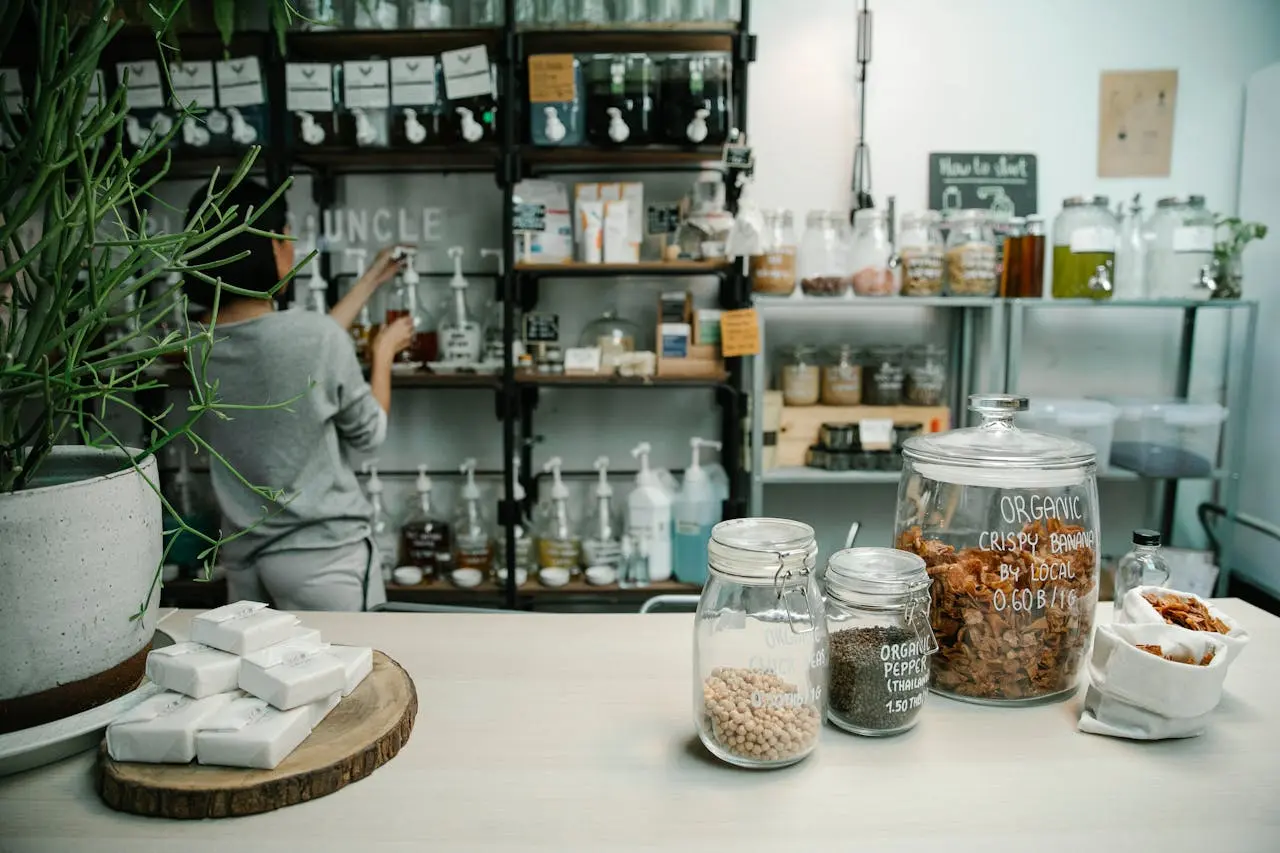
Reusable items such as refillable jars, deposit-return containers and durable pouches are also becoming popular, particularly in metropolitan areas where zero-waste stores and refill counters are increasing. Researchers are now examining how India’s street vendors might move beyond single-use plastics altogether.
One analysis showed that a well-designed reuse system would cut 86% of the packaging waste otherwise headed for landfills, with the up-front investment recouped in about 2.3 years.
Innovations such as collapsible pouches, resealable tabs and portion-controlled trays help households prevent spoilage and keep leftovers in better condition. These tweaks may seem small, yet they significantly impact how much food ends up in the bin. For anyone trying to lower household waste without overhauling their routine, reusables offer a steady, achievable habit.
Cultural Shift Driving Momentum
Environmental awareness is also steadily growing over the years. People now speak about the kind of environment they want future generations to inherit. Apart from the firsthand impact they experience, sustainability personalities are also on the rise. These “greenfluencers” use their platforms to discuss composting and climate awareness, as well as simplifying zero-waste living from daily habits to travel choices.
With the circular economy permeating the primary level, children discuss recycling in school. Apartment complexes, once struggling with garbage disposal, now host composting workshops. One example is the Link Valley Resident Association in Kochi that now turns nearly 100 kg of biodegradable waste into compost.
Garbage cafés are emerging across India and Ambikapur is leading the charge. The city’s model allows residents to pay for meals with a kilogram of collected plastic instead of money, traded for a wholesome serving of rice, two vegetable curries, dal, roti, salad and pickles.
Greener Plate, Greener Planet
Biodegradable food packaging gains momentum as Indian households seek safer, cleaner and more responsible choices. With rising awareness, community action and better technology, sustainable packaging is shifting from an ideal option to an everyday expectation.
Soon enough, even street vendors may have to say goodbye to SUPs — showing how bioplastics made from starch, seaweed and bamboo will reshape how producers protect food and how consumers dispose of packaging.