
What Is Modal Fabric? And Is It Sustainable Fabric?
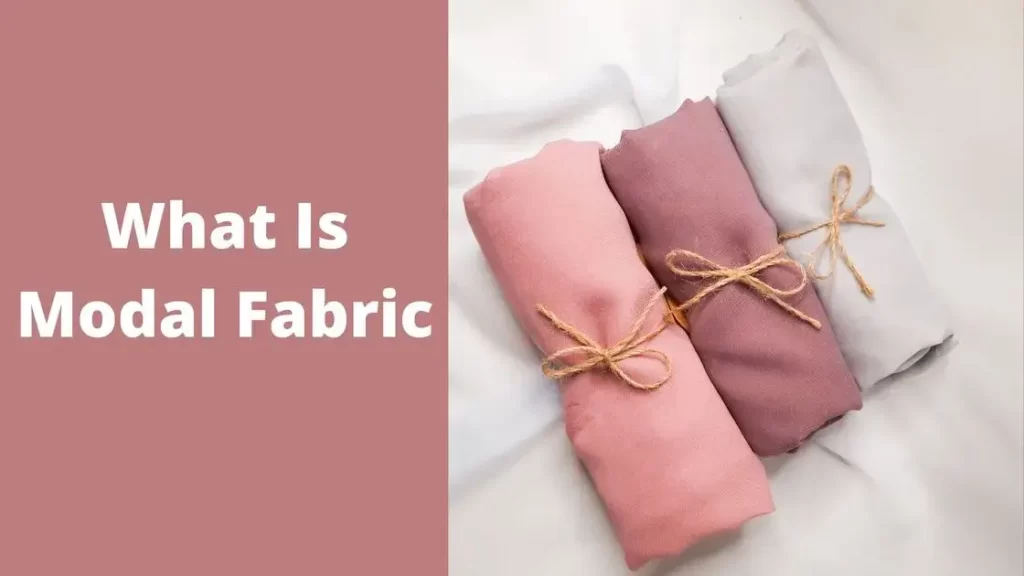
A large section of people calls modal fabric a sustainable texture. People always remain very confused about what is modal fabric. And what is the usage of this material? Does it provide an eco-friendly fashion material? So much confusion and today in this article, we will solve all the confusion of yours and will provide all the necessary details about modal fabric. Modal fabric comes from the pulp of the beech trees and it is a semi-synthetic and breathable material. However most of the time we found this material in underwear, Eco-friendly Robes, Activewear, cotton Jersey T-shirts, Eco-friendly pillows, and sustainable beddings. Subsequently, it is also important to understand what eco-friendly mean is and the importance of eco-friendly products. Not only that, modal does not require as many resources as other materials required. It comes from plant-based materials. The modal is very comfortable and easy to take care of. However, when it comes to the sustainability of the modal it can simply appear a little bit complicated. What is Modal Fabric? In simple words, the modal is very similar to the regular Rayon fabric. Not only that, it is very strong, breathable, and has the ability to withstand excessive moisture. It is a Semi-synthetic Fabric that is used to create long-lasting and soft Materials combined with other fibers. Subsequently, for the hybrid fabric, it will also offer you the feeling of luxurious vegan products just like cozy, softy, breakable, and smooth feeling. In addition, you can also make your life healthy with this material by following the tips to live a sustainable life. How is Modal Fabric Made? There are numerous people who do not know, what is modal fabric? To help them and to let them understand this particular material here we have come up with a little bit of information. It is a type of rayon fabric that is also known as High Wet Modulus. It was first found in Japan in 1951. And as an alternative to the silk, the people of Japan used the material. Typically, it is produced in a way that is like viscose fabric, without following any wasteful and harmful processes. At first, the beech trees are harvested in the field. Later the pulp of the beech trees goes through a purification process that converts the wood chips into cellulose. Apart from the harmful effects of plastic, it is highly used for garment products and for higher sustainable brand clothing. To prepare modal fabric, the sheets have been formed from the extracted cellulose. In the later step, Sodium Hydroxide will be added to the extracted cellulose. However, the Sodium Hydroxide will be added in a limited portion so that the waste materials do not come in huge amounts. After that, all the cellulose sheets will be breakable into pieces that will not leave any carbon footprint. After that, the semi-synthetic cellulose sheets will again be soaked in the sodium hydroxide. And to finish the product and in the final step sulfuric acid will be added to the sheets. Properties of Modal Fabric Modal fabric has been produced with properties like ultra comfy feel. Subsequently, it is very soft, light, breathable, and flexible. On the other hand, modal fabric does not shrink, or crease, and it drapes well very much. It remains very durable and also offers perfect stretch. Subsequently, the properties of the modal also make it long-lasting than any other cotton cloth. It is more resilient that any one of the other synthetic clothes. However, it can easily bear a lot of washes and dry cycles which is one of the ways to save the environment. Modal Fabric Pros and Cons Pros 1. Biodegradable and compostable Compared to the cons you will find a maximum number of pros of the fabric. The fabric has been certified as biodegradable and compostable. It can easily mix up under the soil, home, marine conditions, and Industrials. It also helped us to know how to live a zero waste lifestyle. 2. Sustainable Moreover, it is more sustainable than cotton and it always uses less water. Therefore, when it goes through lots of processes to make the clothing water is also saved in a huge quantity. It does not require so much water while it goes through washing. In addition, these fabrics are very much comfortable and durable. You can wear all the clothes that are made with modal fabric for many years without damage. Cons Skin problems and others Talking about the negative aspects of the fabrics is that it can affect you some kind of allergic reactions, discoloration, and lack of heat retention. How to care for modal fabrics In addition, if you want to use the modal fabrics for a long time for yourself and to keep well then you need to pay attention to that care process. The fabrics are machine washable and you can also use the cold water to wash the clothing that is made with this fabric. Besides that, it will also help you to get rid of all the shrinkage from the clothing as well. On the other hand, if you are saw any delicate Items by yourself then do not forget to use a wash bag to protect your favorite item. Besides that, if you are using any dryer then you will have to keep it at a medium temperature so that it does not affect the materials. While washing your favorite clothing you will also have to avoid the harmful chemicals in the clothing. Subsequently, to save the environment you can also use plastic straws alternatives. Modal Fabric vs Cotton The durability and comfort level will also depend on that particular fabric which will be added with modal fabric. After optimizing with that particular fabric and modal fabric it will offer you long-lasting garments and other clothing materials. Not only that, the fabrics of the modal are totally different from the others therefore it offers sustainability easily. In comparison with cotton, modal fabric is much more expensive than regular cotton. Not only that, it is also a very eco-friendly
What Is Modal Fabric? And Is It Sustainable Fabric? Read More »