JustEco

Author name: Abhay Gupta

Abhay Gupta is a sustainability blogger and digital marketer with 5+ years of experience. He founded JustEco.in to share practical tips, eco-friendly ideas, and resources that inspire people to live more sustainably.

Is Environmental Engineering A Good Career?

Environmental-engineer

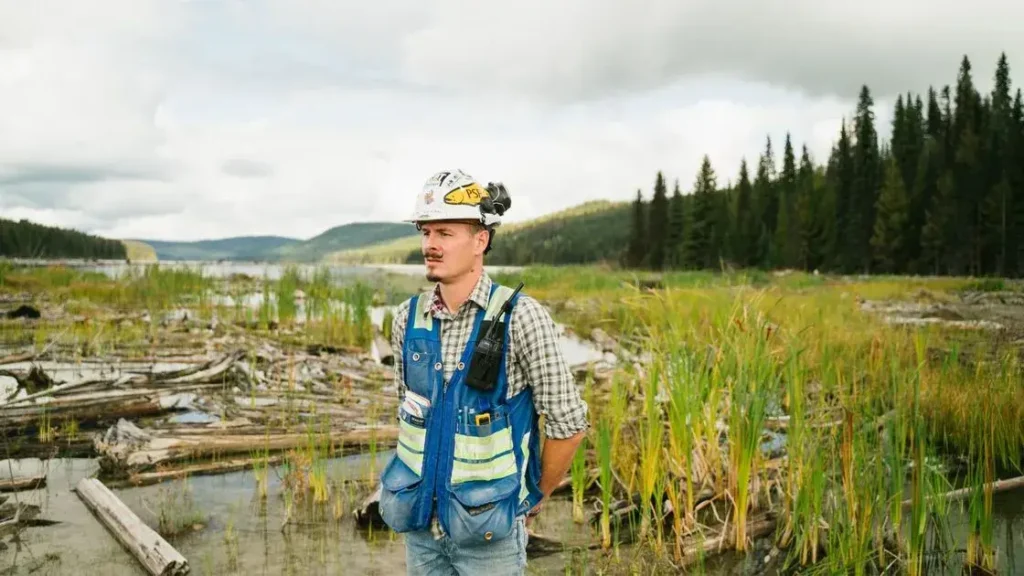
When you think of environmental engineers, what do you picture? A person with a hard hat and safety glasses, walking through a field of toxic waste? Well, that’s not entirely inaccurate. But it doesn’t tell the whole story. What Is Environmental engineering Environmental engineering is the practice of using science to solve problems related to the environment. It’s about building sustainable communities, cleaning up hazardous waste sites and industrial pollution, and protecting our natural resources. It’s an exciting field because it allows you to save the environment using dumpster rental to make a difference in people’s lives by helping them meet their needs while protecting the environment at the same time. Key Environmental Engineering Sectors and Industries Environmental engineering is a broad field that encompasses many different areas of specialization.  The most common sub-fields include Catchment Management:  This is the process of managing water supplies. It is often used in agricultural practices, but it can also be used for water conservation and other purposes. Civil/infrastructure:  This area focuses on designing and building roads, bridges, buildings, dams, etc., with an emphasis on sustainability and environmental impact. Conservation and natural resource management:  This area includes managing forests or other natural resources like fish stocks or water sources. Management:  This area deals with managing waste water treatment plants and other types of waste management systems to ensure that they are safe for humans and the environment at large; it also deals with the regulation of these systems through policymaking processes like writing laws. Energy: This area encompasses all forms of energy production from renewable sources (like solar panels) to non-renewable sources like oil wells or coal mines—it also includes electricity transmission lines. Mining: Mining companies need environmental engineers to make sure they do not cause any damage to the surrounding area during the process of extracting minerals from the earth. Resource Planning and Management:  Resource planners and managers work with oil companies to ensure that there is enough supply for future use without depleting resources too quickly or causing pollution issues with production methods that are used today by oil companies around the world today. Oil and Gas:  Environmental engineers are responsible for designing and implementing systems that help companies minimize their impact on the environment. They can also help oil and gas companies reduce their energy consumption, which is important because these companies use a lot of energy. Waste and Water Management:  This encompasses a wide range of environmental engineering, from recycling to water treatment to waste disposal. Why Pursue A Career In Environmental Engineering? These are the engineers who make sure that we can enjoy clean water, breathable air, and a stable environment. They’re the ones who design and implement strategies for reducing waste and pollution and maintaining a healthy ecosystem. Here are some of the reasons why you should pursue a career in environmental engineering: You have an interest in science and technology Environmental engineers are responsible for researching, designing, and implementing innovative solutions to problems related to waste management, pollution control, and water quality.  They use their knowledge of chemistry, biology, and physics to design systems that can treat water or air pollution, clean up contaminated sites after industrial accidents, and may work at a research facility or in an industry, where they can apply new technologies to solve problems. You like working with people Environmental engineering is a field where you’ll have the opportunity to work closely with a variety of people. From business professionals to engineers and scientists, you’ll be able to collaborate with a wide range of experts.  You’ll also have the opportunity to interact with the public and make an impact on their lives by helping them understand how their actions can affect the environment and how we can all work together to solve some of the world’s biggest problems. You will be a part of the solution to some of the world’s biggest problems. Environmental engineers are often called upon to solve some of society’s most pressing issues—and they do so by applying their expertise in biology, chemistry, and physics in order to find solutions that preserve our environment while also helping us live better lives.  You’ll be able to make a real difference in this world by working towards sustainability through conservation efforts or by developing new ways to purify water supplies so that nobody has to go without clean drinking water ever again! You enjoy working in an interdisciplinary field Environmental engineers have to collaborate with scientists who study chemistry and physics as well as other engineers who specialize in different areas like construction or transportation design so that they can create sustainable solutions that address problems such as climate change or sea-level rise. It’s a growing field There are more than 200,000 jobs available for environmental engineers right now, and the need for these professionals is expected to continue to grow in the coming years. In fact, by 2024, there will be more than 1 million jobs for this type of engineer. That’s pretty amazing! More opportunities for advancement You’ll have more opportunities for advancement than you’d get in other branches of engineering. Environmental engineers can move into positions of leadership at companies and within government agencies, where they can help shape environmental policy and regulations on a larger scale than an individual project or company might allow. You’ll get to work outdoors You’ll spend time outside every day inspecting lakes, streams, rivers, and oceans—and sometimes even volcanoes! And when you’re not out in nature? You’ll be inside designing new ways to clean up pollution from our environment without sacrificing efficiency or effectiveness. You’ll be able to work on projects that are directly impacting people’s lives  Environmental engineers are the only ones who can design buildings that reduce their impact on the environment by using green materials such as solar panels and recycled plastics instead of cutting down trees for lumber or concrete for foundations—and it’s fun! You’ll have great job security and high pay compared to other industries The average

Is Environmental Engineering A Good Career? Read More »

Climate Change Movies and Documentaries on Netflix

girl watching climate change movies or documentary

The average weather in a location over several years is climate, and a change in these typical conditions is called climate change. Human activity and carbon footprint are causing global temperatures to rise, and climate change now threatens every aspect of humankind’s existence. Luckily, Netflix has many climate change movies and documentaries that gives different viewpoints that helps making us responsible for our planet. If global warming continues unchecked, humanity and the environment will suffer catastrophic warming, which will cause mass extinctions of species, increasing droughts, and higher sea levels. The usage of oil, gas, and coal in their homes, factories, and transportation are to blame for the rapid climate change we are witnessing. It is high time everyone should get aware of climate change. Even though there are many ways of spreading awareness, the entertainment field is the best way to spread awareness. People will get more attached when they watch movies or documentaries on climate change. Let us look at some of the documentaries and climate change movies on Netflix. Climate change movies & documentaries on Netflix Climate change documentaries and movies on Netflix: Movies and documentaries are the best way to spread awareness about climate change. We can find documentaries and climate change movies on Netflix. If a movie talks about a practical issue, people tend to talk about it more. Let us look at some of these movies and climate change documentary Netflix. 1.   Don’t look up Image source: Netflix This dark comedy about a meteor hurtling toward earth and a world of uncaring citizens and leaders features Leonardo DiCaprio, Jennifer Lawrence, Meryl Streep, and more. In this situation, the meteor represents the continued danger posed by global warming. 2.   Captain Nova Image source: Netflix Similar to Don’t Look Up, Captain Nova is a 2021 Dutch science fiction film about a society where people ignore a clever underdog’s warnings about climate change.  3. Youth V Gov Image source: Netflix This critically acclaimed film climate change documentary Netflix follows 21 teenage activists as they file a historic lawsuit against the US government, claiming that its failure to address climate change has jeopardized their constitutional rights. 4. Down to Earth with Zac Efron Image source: Netflix As they journey from the Amazon to Paris to Los Angeles, learning about environmental activities around the world, let actor Zac Efron and podcaster and health expert Darin Olien guide you through the significance and complexities of sustainability, nutrition, and more. 5. The boy who harnessed the wind Image source: Netflix William Kamkwamba, a Malawian agricultural engineer raised in a farming family, gained national attention in 2001 when he used leftover bicycle components to construct a working windmill. At that time, his age was 14. The Boy Who Harnessed the Wind discusses the incredibly accurate tale of how he created a wind turbine and prevented famine in his little agricultural community. 6. Fire chasers Image source: Netflix This four-part documentary examines California’s destructive wildfires, emphasizing the brave firefighters. They put their lives in danger to smother the flames and safeguard local wildlife, residents, and the environment. You’ll meet veteran firefighters and jailed volunteers who discovered the community through the firefighter training program. Still, you’ll also learn the value of looking out for one another during a worldwide disaster. 7. Bigfoot Family Image source: Netflix If you’re searching for a family-friendly movie to see, consider this animated adventure about a young kid named Adam and his father, the kind Bigfoot, who travel to Rocky Valley, Alaska, where they discover a large oil company preparing to bomb the region to quickly extract oil which will not only destroys their area but also pollute the environment. Bigfoot and Adam must fight an oil tycoon head-on to defend their family and neighborhood.  8. Kiss the Ground Image source: Netflix Many powerful documentaries and motion pictures focus on where we went wrong and how the climate issue came to be. Kiss the Ground gives a positive look at one potential fix: regenerated soil. A group of specialists and celebrity campaigners, including Gisele Bündchen and Jason Mraz, explore how regenerative agriculture can be used to restore dwindling ecosystems, refill food supplies, and even combat global warming. The documentary is narrated and led by Woody Harrelson. 9. Our planet Image source: Netflix The eight-part Sir David Attenborough Netflix documentary explores how a rise in global temperatures harms wildlife worldwide. It includes all kinds of animals, from lowland gorillas in the Congo rainforest to flamingo chicks in Africa. Each episode is dedicated to an ecosystem, such as icebergs, jungles, deserts, or woods. Each episode reveals the enormous effects that human activity has had on biodiversity and natural ecosystems. We also learn how to fight the earth’s deterioration personally and collectively. 10. Chasing Coral Image source: Netflix Chasing Coral tells about an underwater campaign raising awareness about how coral reefs are vanishing at an incredible rate worldwide. Scientists, photographers, and divers go on an ocean adventure to learn why they are disappearing and uncover the wonders of the aquatic environment in the process. The film explores the significance of coral reefs in maintaining the balance of marine ecosystems and life on earth. 11. Cowspiracy Image source: Netflix It’s not usually addressed how the cattle sector and climate change are related. In this documentary, which Leonardo DiCaprio produced, we witness director Kip Andersen shedding light on this problem. The documentary raises awareness of the adverse environmental effects of meat. It follows the terrifying but humorous journey of a budding environmentalist trying to find a sustainable solution to pressing environmental problems. 12. Seaspiracy Image source: Netflix This documentary compares the carbon and greenhouse gas emissions of various fishing methods to plant-based foods, eggs, dairy products, and livestock, revealing surprising results. The documentary also talks about the oceans’ significance to global climate change. The ocean, after all, takes in more CO2 from the sky than all the plants and trees put together! And this is possible because of the ocean’s marine life, which is threatened by overfishing. Best Selling Documentaries In Amazon Conclusion These documentaries and movies tell us many things about climate change and its reasons. It’s

Climate Change Movies and Documentaries on Netflix Read More »

Reasons, Effects, and Ways to Stop Deforestation

Ways to Stop Deforestation

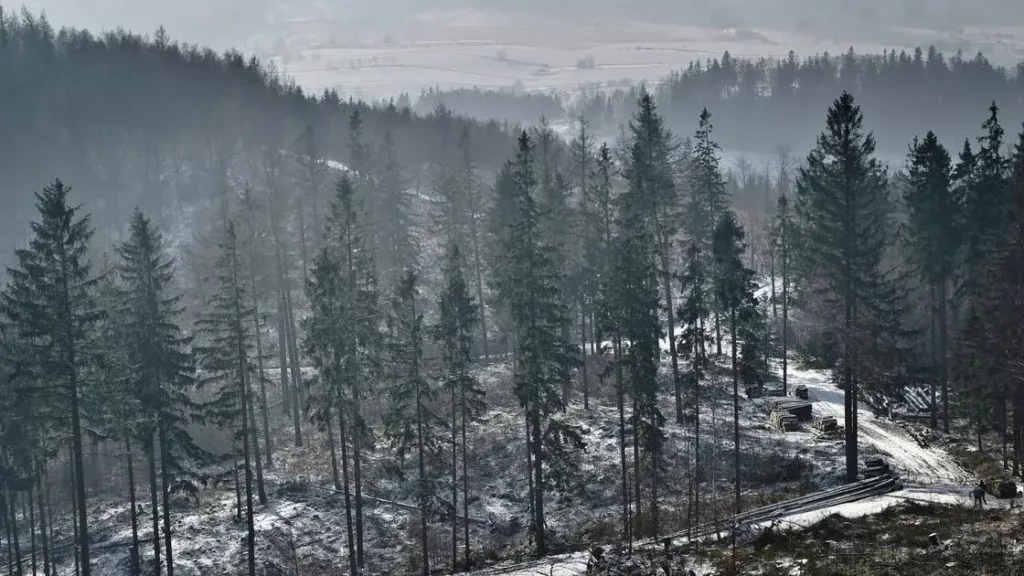
Nearly a third of Earth’s territory is covered by forests, which provide crucial organic infrastructure for some of the planet’s densest and most varied life populations. Numerous species, including us, depend on them. Trees protect soils against erosion, filter water through their roots, trap airborne pollutants and dust, and help to control the climate and protect the environment. They provide these essential services to all people equally, regardless of their location or level of money. Many historic forests worldwide are in danger due to the rising global demand for wood products, whether it be for furniture, fuel, or paper. Deforestation occurs as a result, and the causes vary from region to region and occur everywhere on the Earth. What is deforestation? Deforestation is cutting trees in a wide area, i.e., forest. It is the biggest issue in the whole world. Throughout history and into the present, forests have been destroyed to make way for agriculture and animal grazing and obtain wood for fuel, manufacture, and construction. Today, tropical rainforests are seeing the most deforestation. By knowing the ways to stop deforestation, we can decrease this. Let’s have a look at the reasons for deforestation. Reasons of deforestation The reasons or causes of deforestation can be mainly classified into three categories. They are Deforestation due to human activities:  The leading cause of deforestation is because of human activities, and let us briefly look into these activities. a) Agriculture: with an increase in the population, people are expanding their agricultural lands by occupying forest lands. Slash-and-burn-one of the most harmful farming practices that causes extensive deforestation is agriculture. It involves burning a wide area of forest land and the subsequent planting of crops in the same soil, which is now fed by the ashes of the burned trees. Along with this, industrial agriculture is also causing deforestation.  b) logging: To satisfy the enormous global need for wood and wood products, about 380,000 hectares of forest are cut down every annum, which is responsible for about 60% of deforestation. These degraded woods are more open to transferring to other land uses, including mining, agriculture, and building houses. c) mining:  Mining is becoming more prevalent in tropical forests due to the rising demand for minerals. Furthermore, because large-scale mining is an intensive industrial endeavor, it needs to create a vast infrastructure, which only increases pollution. d)urban expansion: Vast parts of the forest are removed to make room for establishing towns and settlements as the wave of human population increases. These settlements also bring additional infrastructure and growth, and urban expansion shows its effect on the environment.  Deforestation due to natural causes:  In a few relatively uncommon instances, natural causes can be linked to clearing forestland. For example, volcanic explosions can burn the area around the volcano’s surrounding forest. Natural deforestation is also occurred by: However, it is significant to emphasize that natural processes play a minor role in the deforestation of the Earth’s land surface. Other causes for deforestation:  deforestation has other reasons too. Let us look into them. a) climate change: Climate change is a significant source of deforestation. Millions of hectares of forest are destroyed yearly by extreme weather events like wildfires, droughts, and storm surges, and their intensity is only worsening due to global warming. But the trouble doesn’t end there; once the last fire has been extinguished, the gates open wide to let parasites, diseases, and alien species settle in and decimate what’s left. b) paper: Many trees are losing their lives for creating paper! Approximately 640 million trees are cut down every year to produce paper.  c) overpopulation: overpopulation is the cause of many things, including deforestation. From newspapers to home appliances, everything needs excess production. With an increased population, there will be an increase in the use of wood, paper, etc., which comes from trees, gradually leading to deforestation.  Effects of deforestation: Deforestation has a severe impact on the Earth. How to stop deforestation? You can reduce deforestation if we take the necessary actions. Let us look into what we need to do to stop deforestation. 1. Plant a tree: We cannot give life to the tree which was being cut down entirely, but we can give life to another tree. Plant a tree daily. This tree will grow up and will help decrease the effects of deforestation. 2. Reduce the use of paper: If you reduce the use of paper, you can reduce the cutting of trees too. It is always advisable to recycle and reuse the paper instead of buying one after throwing the used paper into the bin. This process not only stops deforestation but also helps in less waste.  3. Decrease meat consumption: When you decrease meat consumption, the demand for meat will be reduced too. Then industrial farming will be reduced too. 4. Decrease burning of firewood: Use firewood only when necessary. Prepare alternate firewood for cooking and heating the house. 5. Don’t use palm oil products: Avoid using palm oil products. 6. Raise awareness: Sometimes, a significant moment can start with your first step. That’s why raising awareness about deforestation around you. Spread the importance of forests and planting trees. 7. Buy only what is necessary: Do not buy anything unnecessarily. If you purchase anything unnecessarily, it will increase the demand for the product, which may lead to deforestation. That’s why only buy what you need and always try to use recycled and long-lasting products. Conclusion Deforestation is a big challenge everyone faces in the present world. We are already having the effects of deforestation. It’s high time we open our eyes, save trees, and stop deforestation. This can happen when we have a strong will to give our future generations pollution-free Earth, which has pure air and less global warming. That’s why we need forests to be alive. This can happen only when we know how to stop deforestation.

Reasons, Effects, and Ways to Stop Deforestation Read More »

Eco-Minimalism: Why and How Should We Need to Follow It?

eco-minimalism

Eco-minimalism has been in the limelight for many years. Many people are minimalists and follow the ways to save the environment. However, all minimalists may not follow eco-minimalism.  Minimalism is a growing lifestyle trend many people have adopted due to its convenience. Many people could start seeing minimalism’s advantages right away by creating a happier and worry-free atmosphere and freeing up mental space. This enables many minimalists to concentrate on the more essential aspects of life, such as interpersonal relationships, rather than falling into consumerism trends. Let us briefly consider the importance of eco-minimalism and how we can adapt it. What is eco-minimalism? Minimalism and eco-minimalism may sound similar, but they aren’t. Minimalists lead their lives by using only minimum items or goods which are only helpful to them, and these items may or may not be environmentally friendly.  On the other hand, eco-minimalism not only involves the theory of minimalism but also involves eco-friendly goods or procedures. In short words, eco-minimalism helps in the protection of the environment.  Eco-minimalism can be described as leading a simple and sustainable lifestyle by using only what they need by limiting the material things to only what they use instead of bulking up unnecessary materials like excess clothes or excess food or unimportant usage of cars. Eco-minimalists also try to avoid the usage of plastic and other synthetic materials, which have harmful effects on the environment. They prefer to recycle or reuse the item instead of throwing them into the dustbin and piling up the waste on this earth. They choose to live a zero-waste lifestyle.  Characteristics of eco-minimalists Importance of eco-minimalism It would be best if most people follow eco-minimalism. Following eco-minimalism has the following benefits. 1. Waste reduction:  The most considerable importance of being an eco-minimalist. If you follow eco-minimalism, you will reduce your daily usage of plastic or once-use materials. Also, waste will be reduced when you recycle and reuse things. Eco-minimalists only buy what they need, so there wouldn’t be any wastage in the garbage bins. 2. Reduction of pollution:  Pollution is the earth’s biggest problem. With over usage of cars, goods, and everything, pollution is increasing day by day. Overuse of goods demands an increase in production. This production will cause factories to increase water pollution, soil pollution, and air pollution as they mix their wastes in soil, air, and water. As eco-minimalism involves waste reduction, pollution will be decreased too. 3. Mental health improvement:  Unnecessary items at home can increase stress levels and leave mental pressure. When you follow eco-minimalism, you don’t buy unnecessary things, so you don’t have to take unnecessary stress, which will help your mental peace. 4. Saves natural resources:  With the increased population, the usage of natural resources has also increased. Also, social media and e-commerce websites influence many people to buy new products. Even though it’s not necessary to buy all those products, people are still buying them because of their influence, leading to the overuse of natural resources. If you follow eco-minimalism, purchasing unnecessary items will be decreased, and you will save natural resources. 5. Helps in saving the environment:  As the name suggests, eco-minimalism’s main aim is to protect the environment on the earth. It helps us in the environmental management system. As a person who follows eco-minimalism prefers to buy long-lasting and biodegradable products, sustainable items’ production will be increased. Along with waste reduction, the harmful effects of non-biodegradable waste would be decreased too. Everything about eco-minimalism is a process of saving the environment. How to start following eco-minimalism? If you follow these steps, you can gradually get accustomed to eco-minimalism. Conclusion Our earth is filled with great energy resources. But with an increase in the population and pollution, energy resources are decreasing, and global warming is increasing. That’s why every person should adopt eco-minimalism and minimize their usage of goods. This will automatically reduce the use of energy resources and will improve the quality of the environment. 

Eco-Minimalism: Why and How Should We Need to Follow It? Read More »

Everything You Wanted to Know About Eco-Friendly Notebooks 

Ecofriendly Notebooks

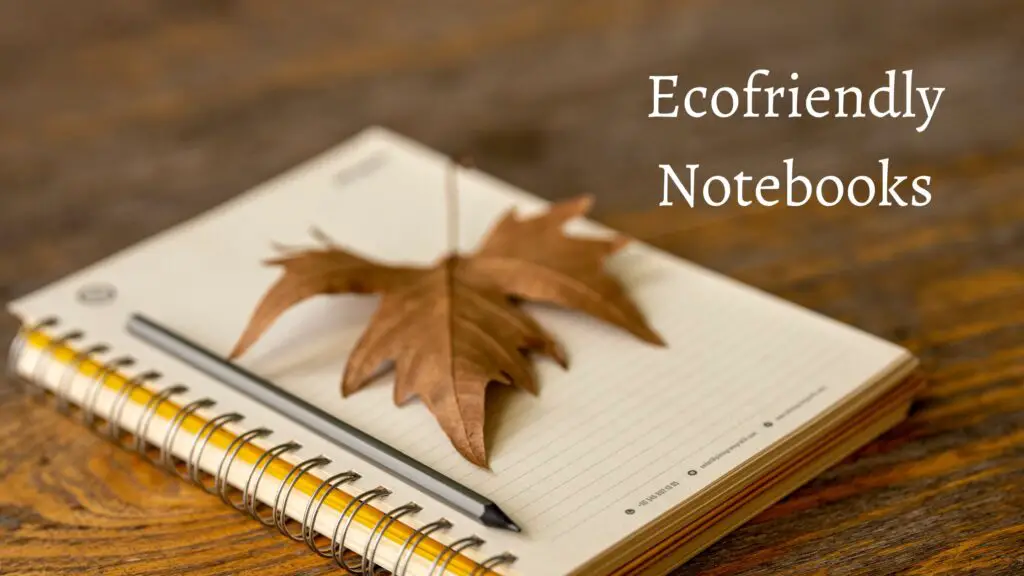
The importance of leading a healthy, environmentally friendly lifestyle is increasing. In a time when items are made with dangerous chemicals and then tossed away once they are no longer beneficial, this cannot be easy. Being environmentally concerned is not necessary only for show. Do what’s beneficial for your everyday life instead, and eco-friendly notebooks may contribute to that! Fortunately, several environmentally friendly notebooks make it simple to protect the environment while still having everything you desire to succeed. The most environmentally friendly notebooks use soy ink and recycled paper, making them healthier for the environment and human health. If you don’t know anything about eco-friendly notebooks, keep reading. In this post, we’ve prepared a list of eco-friendly notebooks makers with their benefits and drawbacks to make it easier for you to record all of your critical ideas without endangering the environment. What are Eco-Friendly Notebooks? Eco-friendly notebooks are manufactured with ecologically friendly materials and manufacturing processes. Historically, the materials used to construct notebooks were not very environmentally friendly, but a growing number of notebook manufacturers are now producing environmentally friendly notebooks. What Materials Are Used in Eco-Friendly Notebooks? There are many ways to save the environment, Owning a Eco- friendly Notebook is one of them. You can purchase environmentally friendly notebooks from almost every school supplies retailer. Numerous recycled, soy-based, and FSC-certified materials are available for these notebooks. However, the material used to manufacture the cover of a notebook is the most crucial factor to take into account. The majority of notebooks are constructed from a mix of plastic and cardboard. While environmentally friendly notebooks manufactured from soy include cardboard covers and soy-based plastic binding, those created from recycled materials have plastic binding and cardboard covers. Some of the Best Eco-friendly Notebooks  Are you looking for environmentally friendly notebook options? No need to worry any longer; we have everything you need. Here are some fantastic eco-sustainable notebook solutions with eco-friendly packaging. Read on to learn about some environmentally friendly solutions if you enjoy taking notes by hand but are concerned about the environmental effects. The Northbooks Eco-Friendly Notebook Specifically, when it comes to notebooks, Northbook is the ideal blend of eco-friendly and rising products. This Notebook features 96 pages of premium paper that resists bleeding, feathering, and ghosting. The thick, robust sheets are perfect for taking notes, doodling, and drawing. The Notebook has 30% FSC and SFI-certified sustainable paper and is 50% recyclable. An excellent notepad for authors, artists, students, and businesspeople. Pros Cons Rocketbook Fusion Smart Reusable Notebook A line of premium green notebooks called Rocketbook Fusion Smart Reusable Notebook was developed especially for authors, artists, and intellectuals. Rocketbook notebooks are not unique but also ecologically responsible because they are created in Mexico from recycled materials and printed on recycled paper. Pros Cons The Kathmandu Valley Co. Notebook You may get the finest handmade diaries and notebooks from Nepal created with the finest Lokta Paper at Kathmandu Valley Co. Store. These diaries are ideal for note-taking, writing, and drawing. Every Notebook is handmade, one-of-a-kind, and green. Pros Cons The Tree Of Craft Notebook The eco-friendly, 100% animal-free Tree of Craft leather diary is ideal for authors, illustrators, painters, and anybody who enjoys writing. It has gorgeous pages made from repurposed cotton carpets and a premium cover made of soft leather. A distinct natural substance is devoid of animal products, durable, and supple. Pros Cons Infinity Re-writeable/Reusable Notebook It’s the ideal Notebook for making notes, keeping a journal, or perhaps penning your next big bestseller. With the help of their relationship with One Tree Planted, each purchase of this 58-inch lined notebook results in planting a tree. It features 60 pages of recycled paper. Pros Cons Why do we choose an Eco-Friendly Notebook over a normal one? You may already be aware of the problems that laptops have with the environment. To comprehend the standards we’re applying for our list, and it’s worthwhile to go through the following: After gaining the knowledge about the importance of Eco-friendly Products. We are all aware that commonplace notebooks are created from trees, which are crucial in the battle against global warming. However, we must also consider other Notebook components, like the colours and bindings. After purhcasing a Eco-friendly notebooks we can also provides a positive value to our mother earth.  What Qualities & Advantages Should An Eco-Friendly Notebook Have? Although most people are accustomed to replacing their notebooks every few months, purchasing a more sustainable notebook has several advantages. Durability, adaptability, and eco-friendliness are the characteristics you should seek in an eco-friendly notebook. What are the Uses Of Eco-Friendly Notebooks? Eco-friendly notebooks and journal, in general, are incredibly practical and are available in every imaginable design. They are also reasonably priced. Additionally, you may utilise them for a variety of purposes. You may write down your ideas, like blog postings or use them in your academic work. Make a list of the items you need to get at the store. Additionally, notebooks might be helpful if you wish to keep a diary or practise your writing. On occasions like Diwali, You may create a guestbook for your event or a guestbook for your wedding. You may create a guestbook so people can leave you or your party with some pleasant remarks. It also leads to celebrating an Eco-Friendly Diwali. Final Thoughts It is well known that paper and the harmful effects of plastics may hurt the environment. Given the booming eco-friendly notebook industry, knowing where to begin might not be easy. This list will enable you to pick the ideal Notebook for your requirements while also ensuring that you contribute to environmental preservation. 

Everything You Wanted to Know About Eco-Friendly Notebooks  Read More »

The Organic Mattresses Useful Thing to Save the Environment

eco friendly mattress

Sleep is something that every human needs. Everyone needs a peaceful sleep after a long tiring day. The best organic mattress gives you the best sleep. But many mattresses in our market are synthetic, which can harm our environment. That’s why we should adopt using an organic mattress.  Switching to the best organic mattress can help you live a greener, more sustainable life while reducing the negative impacts of synthetic materials and toxins. It’s no wonder more mattress customers are looking toward organic, eco-friendly options since most consumers today enjoy following the ways to save the environment. What are organic mattresses? Instead of traditional, synthetic, or chemical materials, organic mattresses are non-toxic, natural materials. It is more breathable and keeps you warm in the winter and cool in the summer, and it also decreases the harmful effects of plastic used in synthetic mattresses. Organic mattresses are typically durable, Biodegradable, contain sustainable fabrics, and are hypoallergenic. A natural mattress is the best option if you have asthma, allergies, or other respiratory conditions or don’t want to expose yourself to dangerous pollutants. A mattress composed of organic materials is also better for infants and young children. Differences between synthetic and organic mattresses Synthetic Mattress Organic Mattress     Contains synthetic materials, including steel coil, springs, wire mesh, polyester, and polyurethane foam.   These eco-friendly mattresses contain natural materials like wool and cotton.     Some mattresses also contain chemicals such as flame retardants.   Wool acts as a flame retardant which can help in the protection of the environment.   It may cause breathing issues because of the chemicals used to make them.   No breathing issues occur as these mattresses contain eco-friendly and organic products.     These are difficult to decompose in the environment after their shelf life.    These are easily decomposable as they have sustainable fabrics and organic products.     You may face disturbance in sleep while sleeping on this mattress.   These eco-friendly mattresses give better and more peaceful sleep.     These mattresses are not much durable comparing organic mattresses.   These are incredibly durable comparing synthetic mattresses.     Types of organic mattresses A vital feature of an organic mattress is its capacity to support and relieve pressure on your body while also controlling your body temperature to keep you cozy and warm as you sleep. Organic mattresses have the following types. Let us look briefly into these types. Organic hybrid mattresses:  Among clients who care about the environment, organic hybrid mattresses are a popular option. It typically has latex, cotton, or wool at the top, along with coils (mostly the pocketed kind). Compared to mattresses with regular innerspring, organic hybrid mattresses typically have a few natural components for comfort.  Organic latex mattresses:  A mattress without springs is known as a latex-only or pure latex mattress. It is made of organic latex, as the name suggests, and the rubber tree sap is processed to produce latex. Organic latex mattresses are free of synthetics, chemicals, herbicides, pesticides, and other chemicals created by humans. Mattresses made of latex are organic, sturdy, and safe. Organic innerspring coil mattresses:  An innerspring coil mattress is often comprised of various types of individually wrapped metal spring coils wrapped in wool or cotton. For customers looking for the best organic mattress made of the purest ingredients, several outlets sell a variety of brands of innerspring mattresses. They typically have metal springs in the core and are made of organic cotton or wool, and these are non-toxic mattresses and are entirely pure. Organic pillow-top mattresses:  These mattresses are perfect if you like to sleep on your side or need more pressure relief from firm to ultra-plush or wherever in between; you may easily change them. An organic pillow-top mattress is created using natural latex, cotton, wool, latex, a PLA layer, and enclosed coils. An organic pillow-top mattress often has 4-5 three-inch latex layers on top to produce a plush top layer. Vegan mattresses:  This can be strange to hear, but yes, there are vegan mattresses too. Some producers also sell vegan mattresses. As its name suggests, a vegan mattress does not contain any wool in its stuffing and is entirely composed of plant-based ingredients. They are typically created from materials of the highest caliber, such as organic cotton. Uses of organic mattresses Going organic when buying mattresses has the following benefits. Organic mattresses brands in India 1. DREAMZEE Natural Latex Mattress This mattress, which comes in various sizes, may be the ideal way to get the luxury of a five-star hotel at a much lower price. 2. Boston Organic Mattress This mattress made entirely of natural latex is suitable for proper ventilation, preventing overheating in the summer and extreme cold in the winter. The bed’s size and thickness are adjustable, and it shouldn’t cost you much and be around Rs. 60k+ if you choose the average dimensions. 3. Wakefit Mattress Another reliable mattress has arrived from Sunday’s home. The bed has a medium firmness, is soft and perfectly shaped to fit your body, and is gentle in quality. 4. Novilla Queen Size Mattress This mattress, which has Multi-core technology, is ideal for softness and comfort. A smaller-sized bed costs less than Rs. 20k, and prices can go as high as Rs. 70k. 5. Zinus Memory Foam This is the mattress for you if you want comfort and health advantages. You may pay less than Rs. 20k for the mattress. It is always advisable to use non-toxic mattresses and buy them Conclusion Nowadays, people are trying to use organic products daily. From vegetables to clothes, people prefer organic products. Natural mattresses should also come into use for everyone, which helps protect the environment. 

The Organic Mattresses Useful Thing to Save the Environment Read More »

7 Eco-Friendly, Sustainable Gardening Tips for a Beautiful Future

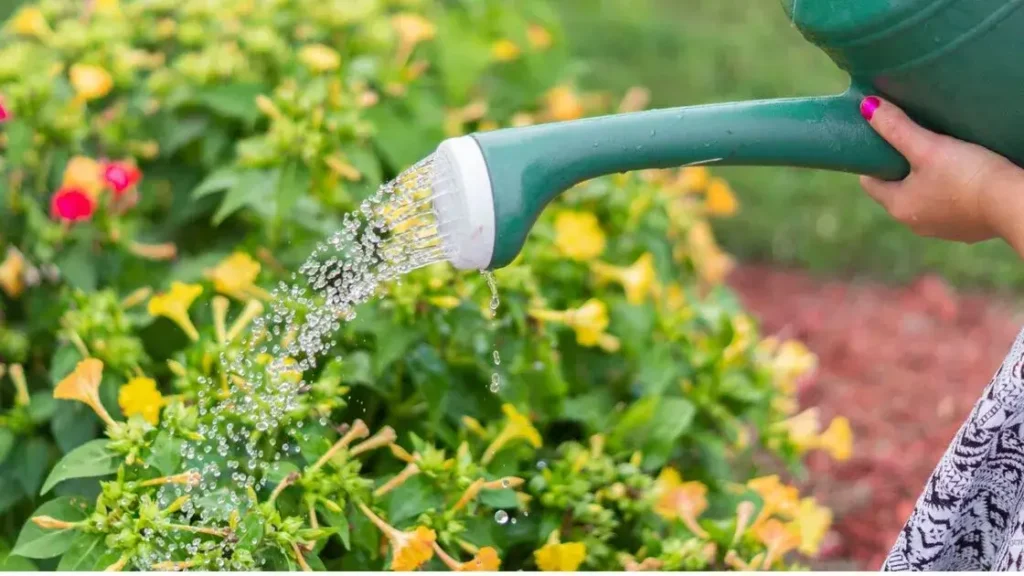
Everybody wants to have a good space for a garden at their house, and we all want to maintain a green garden at all possibilities. However, in this passion, many people use synthetic methods and chemicals to have a healthy and greenery garden. But these methods will have a substantial impact on the environment around us.  Chemicals used in synthetic fertilizers or pesticides harm the soil, plant, and air. Not only this, but if the person smells it, it will affect the respiratory tract. That’s why we should use natural fertilizers and organic pesticides. It is always essential to use eco-friendly products and sustainable gardening tips to have a healthy garden and environment without pollution. What Is Eco-Friendly Sustainable Gardening? Gardening, which involves only eco-friendly and sustainable methods, can be called eco-friendly sustainable gardening.  Eco-friendly means following ways that are suitable for nature and don’t adversely affect the environment. And sustainable gardening involves methods that can reduce the impact that we humans have on the earth. Generally, sustainable strategies are primarily eco-friendly. Why Should We Use Sustainable, Eco-Friendly Gardening Tips? Sustainable gardening may appear stressful, time-consuming, and complicated to the average home gardener. Using sustainable gardening methods, however, does not have to be complicated. These are essential and easy approaches for everyone to implement. Let us look at some reasons to follow sustainable, eco-friendly gardening tips. As the name suggests, following these tips will help protect the environment around us. These tips mainly involve recycled and reused items and products so there will be less wastage. As these tips suggest organic products, no chemicals will be involved. Less or no chemicals means a more hygienic environment. Our garden soil will be healthy without synthetic fertilizers or pesticides. You can get healthy fruits and vegetables while following sustainable gardening tips.  Your health and your family’s health would improve after having fruits and vegetables cultivated through eco-friendly, sustainable gardening methods. Seven Best Eco-Friendly Sustainable Gardening Tips It takes time and effort to transform your garden into an eco-friendly, pollinator-friendly area. Nothing happens quickly. It’s preferable to pick a small number of gardening habits to alter and concentrate on those for the first year. The following year, you can work on additional strategies, and eventually, you’ll have a stunning, sustainably grown garden with all the benefits that go along with it. Let us look at a few eco-friendly, sustainable gardening tips. 1. Create organic compost:  It’s simple to start a compost pile, and the benefits are endless. It is among the simplest methods for supplying soil with nutrients. With a compost pile, waste may become wealthy. Composting is an excellent natural method for home gardeners to produce nutrient-rich fertilizer while reducing or eliminating the need for chemical fertilizers. You can use kitchen scraps such as leftover food, vegetable or fruit peels, and garden wastage like grass or leaves along with garden soil to make compost. Create compost on compost bins and use it as a natural fertilizer for the plants. If you are growing fruits and vegetables, this natural compost will give the best taste to the grown-up fruit or vegetable. 2. Stop using chemicals:  Chemicals are not at all involved in eco-friendly methods. Chemicals that combat pests or unhealthy plants can pollute streams and other water sources. Chemical-free gardening is the most acceptable kind, and building a sustainable garden depends on it. Agricultural chemicals have a history of destroying pollinators, upsetting and eradicating insects – helpful insects and pests – and dramatically changing the garden’s nutrient composition. Nowadays, many businesses and start-ups offer chemical fertilizers and pesticides. 3. Plant native plants:  When you want to plant in your garden, always prefer native plants. As they are used to growing in that environment, they quickly get their lives and grow well. They don’t require special care as they are adapted to that nature, and water consumption will be less. You can know which plant suits your area from the local gardeners or nursery shops.  4. Water conservation:  Utilizing water wisely is crucial because it is a finite resource. Our supply of water does have a limitation. Using less water is vital because we use clean, drinkable water when watering the garden from taps or water lines. Additionally, it is expensive, particularly in regions with little rainfall. Rain barrel collection preserves our drinkable water supply and gives our veggie plants’ free’ hydration. Drizzle irrigation is also strongly advised because it uses less water than other conventional spray watering methods, which waste a lot of water through evaporation and oversaturation. 5. Use eco-friendly lawn mover:  We all agree that those gas-powered lawn mowers are excellent. They work well and are pretty simple to use. They are not suitable for the environment, though. If you have the physical capacity, try using an electric or hand-push mower. There are lawn mowing options that are more environmentally friendly. Additionally, giving up your gas-powered lawn mower will get you some great workouts during the summer. 6. Use the crop rotation method:  Vegetables grow more sensitive to pests and illnesses when planted in the same region of the garden year after year. This is because bugs and bacteria will spend the winter under the earth, waiting for an opportunity. Although crop rotation doesn’t completely solve these issues, it dramatically reduces infestations since pests must work harder to obtain the desired plants. 7. Mulching:  This is the best tip for eco-friendly, sustainable gardening. Mulch your vegetable garden with sawdust, woodchips, grass clippings, straw, or cut-up leaves, and you’ll benefit for years. You can use creative recycle bins to collect these. It is highly sustainable because it uses yard trash. Those materials will not wind up in a landfill, and you will also save a lot of money. Adding mulch may prevent the garden from drying up and use less water. Additionally, it helps prevent weed growth, which is usually a significant advantage! Mulch is applied to the ground to reduce ground temperature, improving your food plants’ growing conditions. Mulch also returns nutrients to the soil as it decomposes, keeps dirt from compacting and making planting harder, and

7 Eco-Friendly, Sustainable Gardening Tips for a Beautiful Future Read More »

How to Responsibly Reuse and Recycle Your Old Pillows

reuse recycle old pillows

Whether you are a side sleeper, stomach sleeper, or back sleeper, a pillow plays a vital role in perfect and peaceful sleep. It all depends on your preferences when choosing a pillow. In today’s high-tech era, you have several options for selecting a pillow. With a proper pillow, you won’t get back pains or sprains, and will help you stay in the perfect posture to sleep. That’s why once you and your body get habituated to a pillow, it’s hard to part ways from it. But it is incorrect to use the same pillow for years and years. Sweaty nights, climate changes, and pressure on the pillow will leave your pillow to change its shape, and it may become harder to sleep. Sleeping on a harder pillow will disturb your sleep, irrespective of your position. This is a sign which indicates that your pillow is getting old. If your pillow gets old, you need to change it. When to get rid of old pillows? Many people think their pillows will last longer, and we can see many people using the same pillow from childhood to adulthood. However, this may not apply to all old pillows. You need to say goodbye to your pillow if you observe the following observations. If the pillow has lost its shape If a nasty smell is coming through it even after washing. If you have an uncomfortable sleep and especially if you sprain your neck If the outer layer or stuffing of the pillow comes out Suppose the pillow had lots of stains on it. Stains are not at all suitable for health. You need to maintain hygiene for pillows too. If your pillows have any of these qualities, it is better to eliminate them immediately. However, you need not throw them into the dustbin. Because garbage material may go into landfills-unsuitable for the environment, if your pillows have sustainable clothing material, they can be decomposed compared to synthetic fabric. Synthetic materials cause harmful effects on the environment, just like plastic. What to do with old pillows? When you use a pillow for more than two years, it’s considered to be old. Throwing them into the garbage is not always suggestible, especially considering protecting the environment. So what to do with old pillows? Let us look at three significant ways to do with old pillows. Reuse Re-cycle  Donating Let us look at these methods briefly. Five Ways to Reuse Old Pillows You can use old pillows for new purposes, which is the most effective approach to “get rid of” them. Old pillows don’t necessarily have to leave your house just because they aren’t appropriate for your bed. The following are some of the methods to reuse old pillows.  1. Gardening pillows:  Although gardening is a fun and fulfilling hobby, all the weeding, and sowing can be hard on the knees. Consider using two old pillows inside a durable pillowcase instead of purchasing a new knee cushion. Alternately, if you’re crafty, design a cover out of cloth that you can use outside to make it more sturdy. 2. Packing and moving purposes:  When moving from one place to another, you need to pack and move your things. Moving non-delicate items is easy, but you should pack delicate items carefully. You can use these old pillows to protect these fragile items from falling or moving out of their place during transport. So, you can store these old pillows and use them while packing. But make sure to wash them before use. This purpose has another benefit too. You can decrease the wastage that occurs due to packaging in that way can reduce wastage.  3. Floor cushions:  You can prepare floor cushions using old pillows. If you have many old pillows, you can combine them all and can design a soft floor cushion. It is apt for family functions, gatherings, movie nights, or video gaming plans. You can buy a cushion cover online or design it according to your taste. However, purchasing eco-friendly clothes and fabrics such as model fabric is always suggested. 4. Beds for pets:  making pet beds out of old pillows saves money and makes them look so cute. It keeps your pet warm and makes it feel your warmth in the cushions, making them feel safe and sound when you are not around. 5. Throw pillows:  You can also prepare throw pillows using old pillows. Even if a pillow can no longer support your head or shoulders as you sleep, that doesn’t mean it isn’t comfortable. Get colorful fabric and make brand-new throw pillows for your living space. You can even take the filling out of several worn-out cushions to create a fluffy throw or a pillow with a different form. Recycling Old Pillows You can use too much damaged or worn-out old pillows for recycling. Recycled pillows can be helpful for other purposes.  1. Recycling facility:  Find a textile recycling facility near you and give old pillows to them. Instead of dumping them into the dustbin at home, this is one of the most acceptable ways to recycle pillows. These factories are experts at preventing cushions from piling up in landfills by recycling the old pillow stuffing and fiber to create items like carpet padding, insulation, and rags. This is one of the ways to save the environment.  2. Create compost:  This is another way to recycle pillows and can be considered a way to create an environmentally friendly management system. But, this can be possible if your pillows have natural biodegradable elements such as feather or cotton stuffing. Take the filling out of your pillows. You can create a nitrogen-rich fertilizer for the garden by combining the filling with collected leaves, old coffee grounds, and vegetable scraps in a compost bin. This will take around six months to a year. Donating Old Pillows You may want to think about donating old pillows if they are still in good condition. Many organizations require pillows, blankets, and even beds. You’re likely to find the pillows a happy new home if you can make a few calls around to discover who is collecting

How to Responsibly Reuse and Recycle Your Old Pillows Read More »