Wooden Sunglasses vs Plastic Sunglasses: Which Is Better? (Honest Comparison)

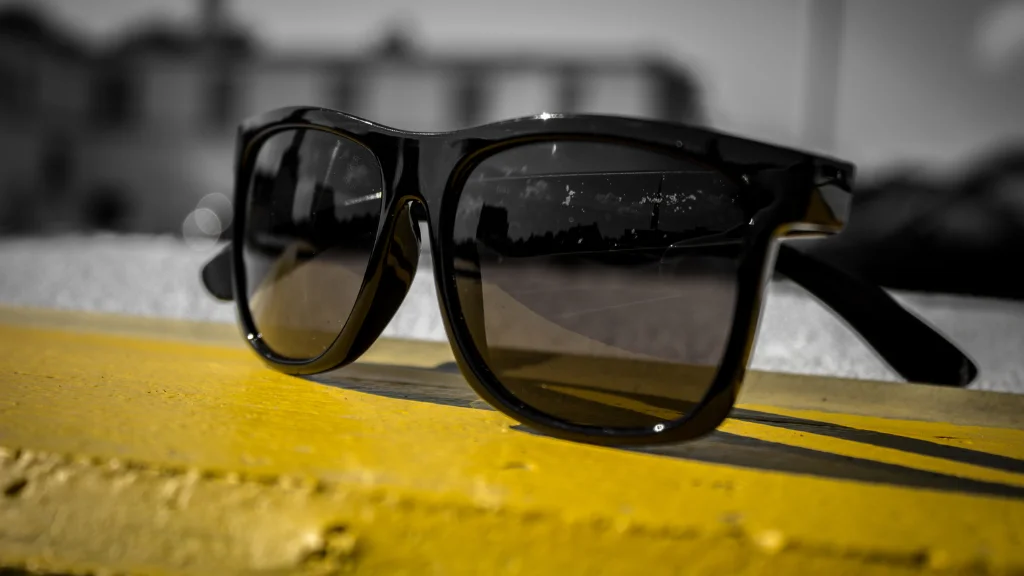
You’re shopping for sunglasses and you’ve seen both plastic and wooden options. You want to know: is wood actually worth it โ or is it just a trend? This post gives you an honest, point-by-point comparison. No brand bias. Just the facts โ so you can decide which is right for you. Quick answer: For eco-conscious buyers who want something unique, durable, and lightweight, wooden sunglasses win. For cheap, disposable fashion eyewear, plastic wins on price alone. Now let’s break it down. Head-to-Head Comparison Factor ๐ฒ Wooden Sunglasses ๐งด Plastic Sunglasses Weight Lighter (bamboo especially) Slightly heavier Durability High โ wood flexes, doesn’t snap Medium โ brittle in cheap frames UV Protection UV400 / Polarized โ UV400 / Polarized โ Eco Impact Biodegradable, renewable โ Non-biodegradable, petroleum-based โ Uniqueness Every pair is one-of-a-kind โ Mass produced, all look the same Price Range $20โ$150 $5โ$300+ Skin Feel Warm, natural, doesn’t overheat Can feel hot/sweaty in summer Availability Growing โ best on Amazon Everywhere 1. Weight & Comfort Winner: Wooden (Bamboo) Bamboo is one of the lightest natural materials on earth. Wooden sunglasses โ especially bamboo frames โ are noticeably lighter than most plastic frames. They sit comfortably on the nose without leaving marks, and they don’t slide down in summer heat. Plastic frames vary widely. Cheap plastic is light but flimsy. Higher-end acetate feels solid but can feel heavier than wood over a long day. Best lightweight wooden pick: Woodies on Amazon โ โ reviewers consistently call them “feather-light” in 7,000+ reviews. 2. Durability Winner: Wooden (by a surprise) Most people assume wood is fragile. The reality is the opposite. Wood and bamboo naturally flex under pressure rather than snapping. Quality wooden sunglasses use stainless steel spring hinges that hold their shape for years. Cheap plastic frames, on the other hand, become brittle over time โ especially with regular UV exposure. That’s why most plastic sunglasses under $30 last less than a season. Premium plastic (acetate) is genuinely durable, but you’re spending $100+ at that point โ comparable to good wooden sunglasses. Most durable wooden pick: Cloudfield on Amazon โ โ double UV coating, spring hinges, floats on water. 3. UV Protection Winner: Tie โ both can offer full UV400 protection UV protection comes from the lens, not the frame. Both wooden and plastic frames can carry the same high-quality UV400 or polarized lenses. The frame material has zero impact on how well your eyes are protected. What matters is the lens quality. All four of the brands we recommend offer 100% UV400 or polarized lenses โ the same standard as premium plastic eyewear brands. โ ๏ธ Tip for buyers: Always check the listing says “UV400” or “100% UVA/UVB protection.” Dark tint alone does NOT mean UV protection. Best polarized wooden option: Feisedy on Amazon โ โ full UV400 polarized lenses at the lowest price on this list. 4. Environmental Impact Winner: Wooden โ by a wide margin This is where wooden sunglasses genuinely pull ahead. Plastic sunglasses are made from petroleum. Most end up in landfill, where they take 400+ years to break down. Globally, millions of plastic sunglasses are discarded every year โ and they contribute to microplastic pollution in soil and oceans. Wooden and bamboo sunglasses are biodegradable. Bamboo is one of the fastest-growing plants on earth โ some species grow up to 90cm per day โ making it one of the most renewable materials available. Many wooden sunglass brands also plant trees per sale, actively giving back to the environment. If you care about the planet at all, this is the single biggest reason to switch. Most eco-responsible pick: Eyewearlabs OKNO on Amazon.in โ โ handcrafted from sustainable wood, great for Indian buyers. 5. Uniqueness & Style Winner: Wooden Every piece of wood has a different grain pattern. That means no two pairs of wooden sunglasses look exactly alike โ you’re wearing something genuinely one-of-a-kind. Plastic frames are mass-produced. When you buy a popular plastic style, hundreds of thousands of identical pairs exist. With wooden sunglasses, your pair is yours alone. This is one of the most underrated advantages of wooden eyewear โ and a big reason they’ve become a statement accessory, not just eye protection. 6. Price Winner: Plastic (at the very low end) You can buy a plastic sunglass for โน200 or $5. You can’t buy a wooden sunglass at that price โ the cheapest quality wooden options start around $20โ$28 (Feisedy, Woodies). However, once you move above the $30 mark, wooden sunglasses offer significantly better value than plastic. A $30 wooden pair from Woodies or Feisedy will outlast most $30 plastic pairs, and look better doing it. At $50โ$100, wooden sunglasses and quality plastic sunglasses are directly comparable โ and wood wins on uniqueness, weight, and eco-impact. 7. Skin Feel in Heat Winner: Wooden Plastic and metal frames heat up in direct sunlight โ it’s a common complaint during Indian summers. Wood and bamboo are natural insulators that stay closer to ambient temperature. They’re also less likely to cause sweating where the frame touches your skin. This is a particularly strong advantage in hot climates like India, where wearing sunglasses for hours during summer is normal. Who Should Buy Wooden Sunglasses? โ You care about the environment and want a plastic-free lifestyle โ You want something unique that no one else has โ You spend a lot of time outdoors in heat โ You’re tired of cheap plastic frames breaking within a season โ You want to support eco-friendly brands Who Might Prefer Plastic Sunglasses? Our Top Wooden Sunglasses Picks on Amazon If you’re ready to make the switch, here are the best options available right now: Brand Best For Price Buy Woodies Best overall, most reviews $28โ$50 Amazon โ Cloudfield Best bamboo frames $30โ$50 Amazon โ Feisedy Best budget pick $20โ$30 Amazon โ Eyewearlabs OKNO Best for Indian buyers โน999โโน2,799 Amazon โ Final Verdict Wooden sunglasses are not just a trend โ they are a genuinely better product for most buyers once you

4 Best Wooden Sunglasses You Can Buy on Amazon (2026)

Last updated: March 2026 | All brands verified on Amazon If you’re looking for eco-friendly wooden sunglasses that you can actually buy online โ not just browse and hope โ this is the list for you. Every brand here is available on Amazon with real reviews, real prices, and real affiliate links. No fluff. Just the best options at every budget. Brand Best For Price Range Where to Buy Woodies Best Overall + Most Reviews $28โ$50 Amazon โ Cloudfield Best Bamboo Frames ~$30โ$50 Amazon โ Feisedy Best Budget Wooden Pick ~$20โ$30 Amazon โ Eyewearlabs (OKNO) Best Indian Brand โน999โโน2,799 Amazon โ 1. Woodies โ Best Overall Price: $28โ$50 | Reviews: 7,000+ five-star ratings on Amazon Woodies is the most reviewed and most trusted wooden sunglasses brand on Amazon. Founded in 2012 by Cory Stout, every pair is handmade from 100% real wood โ walnut, zebra wood, rosewood, or bamboo โ with unique grain patterns, so no two pairs look exactly the same. Why buyers love it: Woodies is Prime eligible โ free delivery and easy returns, which always boosts conversion. ๐ Shop Woodies on Amazon โ 2. Cloudfield โ Best Bamboo Frames Price: ~$30โ$50 | Reviews: 4,600+ ratings, 4.3/5 stars Cloudfield makes 100% handmade bamboo sunglasses that float on water โ a unique feature that makes them perfect for outdoor and beach use. Their 9-layer polarized lenses with double UV blocking coating offer serious eye protection, not just style. Why buyers love it: Cloudfield has one of the strongest review counts in this category on Amazon, which builds buyer trust immediately. ๐ Shop Cloudfield on Amazon โ 3. Feisedy โ Best Budget Wooden Pick Price: ~$20โ$30 Feisedy makes bamboo and wood handmade sunglasses at a very accessible price point. Their frames are fully wooden โ not just wooden arms on a plastic frame โ with UV400 polarized lenses and a lightweight design that reviewers praise for all-day comfort. Why buyers love it: Feisedy is the ideal pick for readers who want wooden sunglasses but are price-sensitive โ entry-level price with a premium feel. ๐ Shop Feisedy Wooden Sunglasses on Amazon โ 4. Eyewearlabs (OKNO Collection) โ Best Indian Brand Price: โน999โโน2,799 | Sold: 4.5 million+ sunglasses Eyewearlabs is India’s biggest sunglass brand, and their OKNO wooden collection is their most premium line. Handcrafted from sustainable wood with polarized lenses, the OKNO range blends Indian artistry with modern eyewear design. Why buyers love it: Eyewearlabs is the go-to recommendation for Indian readers since it’s locally available, affordable in INR, and has a massive customer base already. ๐ Shop Eyewearlabs OKNO on Amazon.in โ Where to Buy All four brands above are available on Amazon โ the easiest, fastest, and most trusted place to purchase. Conclusion These four brands cover every budget and audience: Every link above is a direct Amazon opportunity. No workarounds, no “check their website” โ just click and buy. Frequently Asked Questions Disclosure: This post contains affiliate links. If you purchase through our links, we may earn a small commission at no extra cost to you. This helps support JustEco.

Design for Sustainability: Trends and Best Practices

Designing for sustainability is now a mainstream business imperative, with an increasing number of companies incorporating green architecture and production into their operations. The features are part of a paradigm shift, in which industries move away from superficial eco-friendly trends to a nonnegotiable, comprehensive life-cycle approach for tomorrow’s innovations. The Core of Sustainable Design โ The Circular Economy According to one study, India produces 62 million tons of municipal solid waste, of which 8% is plastic. Overall, its citizens throw away approximately 5 metric tons of plastic annually, equivalent to about 11 kilograms per person. Packaging is the biggest culprit, responsible for almost half of the accumulated plastic waste. The country is also the world’s third-largest producer of electronic waste (e-waste). Over 80% is processed unsafely, releasing toxic substances into the environment and exposing communities to significant health risks. In response, India is transitioning to a circular economy, which could save it 30% in gross domestic product by 2050 and reduce greenhouse gas emissions by 44%. Its government has introduced the Plastic and e-Waste Management Rules, as well as other policy initiatives, to benefit small businesses that adopt circularity. Key Principles for Businesses The Ellen MacArthur Foundation outlines the core principles of a circular economy that entail the following: This framework of sustainable design is a crucial tool for creating long-term value. It forces brands to look beyond immediate profits and aim for a more resilient business model. Designing with durability, reusability and efficiency in mind ultimately allows companies to cut costs in materials and waste risks while fostering brand loyalty. Nature as a Blueprint โ The Rise of Biomimicry Today’s innovations are impressive. However, it is essential for businesses to also look toward nature’s 3.8 billion years of research and development as a blueprint for sustainable design. Biomimicry is an interdisciplinary field in which scientists, designers and engineers study and employ age-old principles from the natural world to resolve problems. Essentially, it fosters a more harmonious relationship between people and the planet. In an age of destructive technologies, industrial processes and human activity, it delivers a pathway to more efficient systems and products that are regenerative and better integrated into their environment. Innovations Inspired by Nature Biomimicry has already produced remarkable innovations in architecture, from the Lotus Temple in Delhi to the city of Lavasa, which found inspiration from ants to create a sustainable design that channels water and run-off effectively throughout the city. The application of biomimicry also appears in manufacturing. For instance, General Electric designed its cooling systems to replicate termite dens and utilised water collection mechanisms after studying water beetles. Key Trends Shaping the Future of Sustainable Design Several rising trends and innovations mark the effort to design for sustainability. The following are just a few examples of the practices, materials and technologies that are shaping the future. The Revolution of Sustainable Materials While designing for sustainability, there is a growing shift from utilising raw materials to recycled, upcycled and bio-based options. Bio-based materials, in particular, are derived from renewable sources like algae, mushrooms and agricultural waste. They are making waves in food packaging because of their biodegradability, affordability and potential for replacing fossil-based polymers. Companies in India might also lean into sustainable materials and practices for commercial infrastructure and products. In particular, bamboo has repeatedly demonstrated its durability and renewability. India is the second-largest bamboo producer after China, with 136 species growing across 13.96 million hectares. It is widely available for use across many industries, including construction, furniture, food and textiles. The Rise of Sustainable Packaging Design As global markets look toward a circular economy, many companies are innovating for sustainable packaging design. The practice entails reducing waste and boosting recyclability. For example, Coca-Cola tested a label-less Sprite bottle marked by laser engravings and manufactured using recycled polyethylene terephthalate. In 2023, the soda brand allowed London customers to refill glass bottles of Coke Zero. They ended up reusing the containers up to 20 times, making the product significantly more sustainable. Additionally, a hardware company was able to transition to a paper-based packaging solution for several items sold at both Home Depot and Lowes. By working with engineers to reassess their packaging strategy, this business was able to remove 180,000 pounds of plastic annually. Plus, they were able to reduce master carton materials by 50%. With a little ingenuity, businesses are able to not only save money, but reduce their reliance on plastics. The Power of Life-Cycle Assessments A life-cycle assessment (LCA) is a standardised evaluation tool used to analyse a product’s total environmental impact, from the extraction of materials to disposal. This can apply to an actual product or building design. Traditional LCAs are time-consuming and expensive, often failing to account for various geographical and social factors. However, modern improvements have integrated geographic information systems and remote sensing technology, enabling the collection of more precise spatial and temporal data. The Role of AI and Technology Advancements in artificial intelligence (AI) and other technologies are transforming sustainable design across the entire product life cycle. For instance, digital twins allow designers to simulate and test thousands of options, from materials efficiency to durability, before the product undergoes production. Real-time insights provide valuable information on a product’s functionality and lifespan, while also promoting lean manufacturing practices and supporting corporate environmental objectives. More critically, AI-assisted robotics streamlines optical sorting, making it easier to extract high-purity materials from complex waste streams. This turns once-landfill-bound debris into valuable raw matter for new products. Pioneering a Sustainable Tomorrow Through Design Sustainability is quickly becoming the foundation of design in the future. Businesses are entrenching the principles and trends of circularity, biomimicry and material innovation into commerce as they address today’s most critical environmental challenges. This approach underscores the importance of thoughtful and intentional decision-making throughout building and production processes.