Eco-Friendly Business Practices for Hazardous and Nonhazardous Waste Management
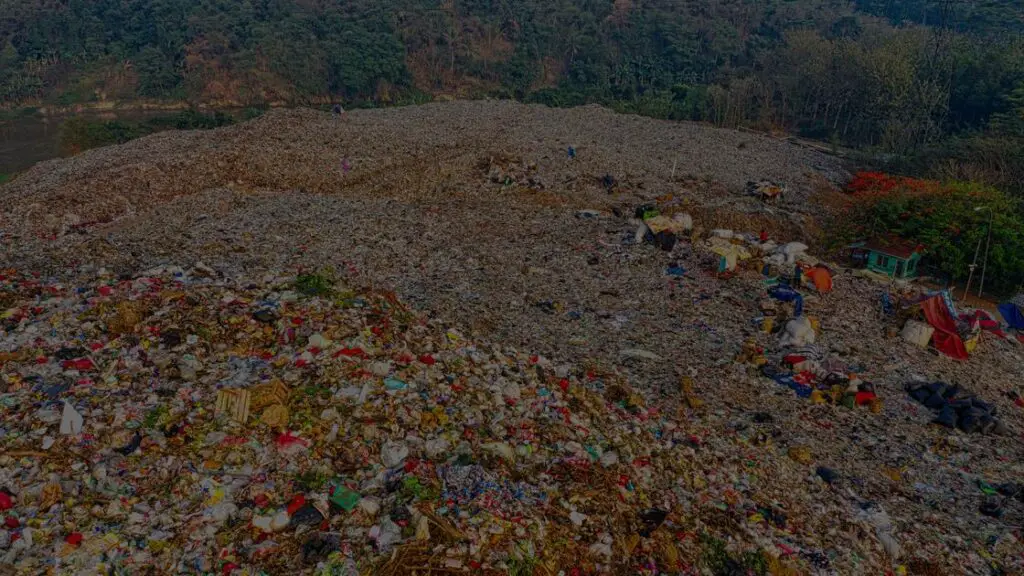
Conventional wisdom says waste is a uniquely human phenomenon. It’s not — other living organisms also produce it, like manure, dead foliage and eggshells. The difference is human activities generate inorganic waste, which is anything that doesn’t come from animals or plants and can take forever to decompose. The waste industries produce is so considerable it’s making the planet too warm for comfort. Agriculture, a significant driver of climate change, is exhibit A. Waste is an unavoidable consequence of modern civilization. The world must manage it well to minimize the impact of human activities on the planet and its inhabitants. The first step toward proper management is knowing the difference between hazardous and non-hazardous waste. What is Hazardous Waste In the United States, the Resource Conservation and Recovery Act of 1976 considers a waste material hazardous when it’s ignitable, corrosive, reactive or toxic. Ignitable wastes can catch fire without warning, burst into flames under certain conditions or have a flash point of less than 140 degrees Fahrenheit — or 60 degrees Celsius. Examples include acetone, kerosene, diesel fuel and other combustible liquids. Corrosive wastes are bases and acids capable of damaging metal containers. Battery acid, alkaline degreasers and wastewater treatment chemicals belong to this group. Reactive wastes are unstable at average temperatures or pressures. When mixed with water, heated or compressed, they can explode, emit harmful gases, fumes, vapours or explosive mixtures, or go through violent reactions. Dynamites, pyrotechnics and blasting agents fall into this category. Toxic wastes are fatal when absorbed or ingested. They contain one or more contaminants checked during the Toxicity Characteristic Leaching Procedure. The The list comprises organic compounds, such as benzene, chlordane, cresol, lindane, pyridine and vinyl chloride, and metals, including arsenic, cadmium, lead and mercury. Mismanaging hazardous waste materials has adverse ecological effects. Contamination can kill an area’s flora and fauna, compromise animals’ reproductive abilities or limit an entire ecosystem’s survival over the long term. For instance, the Deepwater Horizon oil spill off the Gulf of Mexico in 2010 resulted in about 114,000 bird, sea turtle and marine mammal deaths. Ignitable, corrosive, reactive, and toxic wastes threaten the health and safety of human populations. For example, lead exposure can affect the brain and nervous system, jeopardizing growth and development and causing learning and behavioural issues. In Illinois alone, 3,070 children aged 1-5 tested positive for having high blood lead levels in 2022. What is Nonhazardous Waste Waste is nonhazardous when it’s not ignitable, corrosive, reactive or toxic. Still, it can become hazardous when contaminated. For example, asbestos can render safe roofing shingles a health hazard. Businesses are massive waste generators. What they produce varies by the nature of their operations. Hotels and restaurants are synonymous with large quantities of food scraps and packaging materials, while construction companies are more likely to leave behind discarded wood and metal items. Antifreeze, ash, grinding dust and sludge are common waste materials from industrial activities. Nonhazardous materials are subject to management guidelines to ensure they don’t harm the human population and the environment after disposal. Otherwise, they can injure or kill. Plastic pollution is a solid case in point. Mishandling has caused it to wind up in the sea and reach far-off uninhabited areas. About 14 million tons of plastic end up in the ocean yearly. One of them is ghost gear — lost or abandoned fishing equipment — trapping approximately 650,000 sea creatures every year until they die. Current Business Practices The business sector is one of the guiltiest parties in the world’s waste management problem. Despite environmental regulations, many organizations choose to dispose of their trash illegally. Corporations face heftier fines than individuals if caught, but repeat offenders prove penalties are too cheap. Take Target as an example. The retail giant received accusations of improper toxic waste disposal more than 300 times in landfills from 2001 to 2009. For the same alleged violations committed in California between 2012 and 2016 involving 2,038 hazardous materials, including aerosol cans, compact fluorescent light bulbs, electronics, prescribed pharmaceuticals and syringes, Target agreed to settle with state prosecutors for only $7.4 million. If the cost to properly handle waste — hazardous or not — exceeds the penalty for breaking the law, most enterprises will take the economical route. The linear business model is the root of all waste management problems. This system promotes extracting and manufacturing products with virgin resources without considering recyclability. This results in businesses buying newly mined or harvested raw materials to mass-produce goods that ultimately wind up in the environment as waste. The linear economy is the standard because systems are in place to source new resources at affordable costs. Organizations participating in it get to keep their expenses low and maximize profits. Governments encourage this business model for the sake of economic growth. A vibrant economy attracts investors, creates jobs and puts more money into people’s pockets that can reenter the economy. Sustainability has only recently been high on the agenda of many governments and corporations. The environmental problems the linear model brings have become too inconvenient to ignore. Because of this, circularity is gaining traction. The alternative circular economy is about reusing anything possible to minimize waste and greenhouse gas emissions. Eco-Friendly Business Practices for Hazardous and Nonhazardous Waste Management Managing hazardous and nonhazardous materials starts with waste minimization. The circular business model emphasizes the importance of consuming no more than necessary and reusing resources whenever possible. Corporations must forecast demand better to avoid ordering surplus supplies and lay off single-use items. If reducing consumption and reusing goods aren’t possible, concentrate on recycling. Sourcing recyclable materials and finished products means they can get new leases on life and not congest scarce landfill space. A robust recycling sector helps diversify supply chains and make high-value products whose raw materials can be costly when newly extracted — like lead-acid car batteries, consumer electronics and residential roofs. Composting is one of the most eco-friendly management methods for organic waste. Turning vegetable and fruit scraps, coffee grounds, paper tea bags, crushed eggshells and wool products into valuable fertilizers is an environmentally responsible way
Why Eco-Friendly Hardwood Flooring is the Smart Choice for Environmentally Conscious Home

We as humans spend most of the time in the area covered from all four directions that could be your home, office, hotels, school, or any other place. In an era where people are environmentally conscious and try to play a pivotal role in shaping a sustainable life. One such choice is to select the flooring material for their living space that can contribute to making a world greener. In this blog, we will explore the world of eco-friendly hardwood flooring, what it is, its benefits, maintenance tips, and various types of eco-friendly hardwood flooring options available in the market which make it easy for you to select. What is Eco-Friendly Hardwood Flooring Eco-friendly hardwood flooring is a type of floor material that is produced by a sustainable method or the way which is not harmful for the environment. This type of hardwood flooring is manufactured with fewer toxic chemicals, reducing the impact on indoor air quality. Benefits of Eco-Friendly Hardwood Flooring 1. Sustainability: One of the primary benefits of eco-friendly hardwood flooring is its sustainability. This flooring option is typically made from renewable and responsibly sourced materials, such as bamboo or reclaimed wood. By choosing eco-friendly hardwood, you can help reduce deforestation and promote the use of sustainable resources. 2. Reduced environmental impact: Eco-friendly hardwood flooring has a lower environmental impact compared to traditional hardwood flooring. The manufacturing process often involves less energy consumption and fewer harmful chemicals. This choice helps minimize pollution and contributes to a greener planet. 3. Improved indoor air quality: Traditional flooring materials, such as carpets, can harbor dust, pollen, and allergens, leading to poor indoor air quality. Eco-friendly hardwood flooring does not trap these particles, creating a cleaner and healthier environment for you and your family. 4. Health benefits for homeowners: Along with improved air quality, eco-friendly hardwood flooring can also benefit the health of homeowners. This type of flooring does not emit harmful volatile organic compounds (VOCs) that can contribute to respiratory issues. It creates a safer and healthier living space for everyone. 5. Durability and longevity: Eco-friendly hardwood flooring is known for its durability and longevity. It can withstand heavy foot traffic and is resistant to scratches and dents, making it suitable for both residential and commercial spaces. Investing in this type of flooring ensures long-term satisfaction and reduces the need for frequent replacements. 6. Versatility in design and aesthetics: Eco-friendly hardwood flooring offers a wide range of design options and aesthetics. Whether you prefer a modern or rustic look, there is a variety of colors, grains, and finishes to choose from. This versatility allows you to create the desired ambiance and style in your eco-friendly home. 7. It will Increase property value: Installing eco-friendly hardwood flooring can increase the value of your property. Potential homebuyers often appreciate the sustainability factor and the high-quality appearance of this flooring option. It can be a valuable selling feature when the time comes to put your house on the market. 8. Easy maintenance: Maintaining sustainable wood flooring is relatively easy. Additionally, this type of flooring is resistant to stains and spills, making it more convenient for busy households. 9. Cost-effectiveness: Wood flooring may have a higher upfront cost compared to other flooring options, it proves to be cost-effective in the long run. Its durability and longevity mean fewer repair and replacement expenses over time. Additionally, its positive impact on property value can result in a higher return on investment. 10. Contribution to a circular economy: By choosing eco-friendly hardwood flooring, you contribute to a circular economy. This means that you support the recycling and reuse of materials, reducing waste and promoting sustainable practices. Your choice makes a positive impact on the environment and encourages others to make similar choices. Types of Eco-Friendly Hardwood Flooring When it comes to eco-friendly hardwood flooring, there are several types to consider. Let’s explore four popular options: FSC-certified hardwood, salvaged hardwood, bamboo flooring, and cork flooring. A. FSC-Certified Hardwood: Forest Stewardship Council is an organization that is responsible for forest management. FSC-certified hardwood comes from sustainably managed forests, where trees are harvested by focusing on promoting biodiversity, protect water quality. This wood floor denotes that this wood comes from forests that are responsibly managed and not contributing to deforestation. B. Salvaged Hardwood: If the wood that has been reclaimed from old buildings, and structures rather than cut more trees are included in Salvaged hardwood. This type of method not only reduces the need for harvesting new trees but also minimizes waste. C. Bamboo Flooring: Bamboo is the most popular eco-friendly material that is used to make various items such as toothbrushes, baskets, straws, cutlery, and bottles and more but the list will not end. Bamboo flooring is one of them that people use to make their home more sustainable and initiate to protect the environment. Except this bamboo is a fast-growing grass that would be easily available at low expenses. Bamboo flooring is durable, easy to maintain, and offers a range of colors and styles. However, it’s important to choose bamboo flooring that is made from sustainable bamboo sources and manufactured using eco-friendly processes. D. Cork Flooring: Cork flooring is made from the bark of cork oak trees that is harvested without cutting down the trees. Its regenerating properties for 8-10 years, resilience, cushioning effect, and sound-absorbing properties make it a highly sustainable option. Maintenance tips for Eco-Friendly Hardwood Flooring: Brands and Suppliers of Eco-Friendly Hardwood Flooring Bruce: Bruce is a well-known brand for hardwood flooring in affordable price options that are made in the USA. Their selection might be a bit limited, they are readily available in most major home renovation stores and online. They prioritize traditional styles and finishes, with a variety of oak options. Doma: A flooring company that mainly focuses on providing affordable hardwood options. In their collections they offer stylish & modern looks, including gray and bleached. This brand Doma gives you the opportunity to first order samples online that can help to ensure
How Young Professionals Can Bring Sustainability to Corporate Jobs?

The term young professionals is being used a lot nowadays in the corporate world. But does anyone know what it signifies? Or how can these young professionals help office jobs become more sustainable? Well, young professionals are people in the age group of 20-49. These individuals place a lot of emphasis on maintaining sustainability in their workplace for a stress-free and better environment. As climate changes are taking place with other environmental changes they are now highlighting the importance of a better workplace system. In 2024 several companies are themselves practicing many sustainability tips. Even the new workers are keeping an eye on the jobs that embrace these practices when choosing where to work. As the younger professionals understand and embrace sustainability it is helping the environment a lot. It helps in transforming and paving a path to a more sustainable future ahead. What Defines Workplace Sustainability? When young professionals or anybody else wants to create a sustainable environment they need to implement certain things. Such as reducing waste, eco-friendly practices, and solutions that require less energy. It aims to achieve business objectives without adverse environmental effects. ESG criteria assess a company’s impact, considering factors. The factors are like: These factors foster a sense of well-being among employees and identify areas for improvement to ensure a greener future. But now the main question is how can young professionals make a corporate job sustainable. Different Ways In Which Young Professionals Create A Sustainable Corporate Job Environment In 2024 Propose The Idea Of Remote Work. Providing employees with flexible work-from-home options offers numerous advantages. Many organizations have reduced or completely removed their office spaces as a consequence of using this operational approach. It further leads to cost savings in terms of rent, power, machinery, snacks, and other related expenditures. The concepts of sustainability may be embraced via the practices of reducing, reusing, and recycling. Every young professional in a company needs to initiate the methods of reducing, recycling, and reusing to achieve sustainability. Embracing the 3R approach means finding ways to reuse materials and products while being mindful of resource consumption in daily activities. Young Professionals Can Work Towards Establishing A Paperless Office. Eliminating paper consumption entirely in your business is a difficult task, but you may begin by reducing paper waste. Promote the practice of staff members conserving paper and ink by printing only when necessary. It is important to maintain a regular supply of environmentally friendly paper for printers in order to foster a more sustainable working milieu. It is essential to actively contribute towards accomplishing all of the UN Sustainable Development Goals. There are a set of 17 total sustainable development goals. These goals are mainly under the objectives of the 2023 agenda. They cover a variety of world challenges like climate change, environmental degradation, poverty, gender inequality, and so on. Following these practices makes sure that there is alignment between the company’s goals and culture. Engage in the process of incorporating SDGs into your organizational environment. Some goals are: Calculate Your Carbon Footprint. Dealing with your company’s carbon footprint can be eye-opening, but understanding your current situation is the initial move toward making meaningful progress. This tool for monitoring the environment in a new tab allows you to calculate your company’s carbon footprint and take steps to reduce your organization’s environmental footprint. Make The Shift Towards Green And Clean Energy Sources. Transitioning the energy source for the workplace is often a simple procedure, just requiring a short phone call to the energy supplier. Opting for renewable energy as opposed to the combustion of fossil fuels is a more prudent decision for sustained use due to its lack of emission of detrimental greenhouse gas emissions. Introducing Zero Waste And Energy-Efficient Bathroom Solutions. In the context of adopting a more ecologically conscious way of life, bathrooms and kitchens provide the most promising opportunities for effecting good change, since these spaces tend to use the highest quantities of energy and materials. A little contribution yields significant benefits, thereby justifying the substitution of paper towels with heated hand dryers and the installation of low-flow faucets. Consider Installing Water-Saving Fixtures. One strategy to establish a more sustainable workplace involves minimizing water wastage within your organization. Easily reduce your company’s ecological footprint and your water consumption bill by setting up specific machinery to help preserve this vital resource for survival. Promote the use of environmentally sustainable transportation methods. Encouraging personnel to use public transportation wherever possible may successfully promote eco-consciousness. Furthermore, the absence of concerns around driving or navigating through traffic throughout their commute to work may potentially enhance their ability to reach their workstation with heightened mental acuity and vitality. Offer Training On Sustainability To Your Employees. The only way a company can be successful is if the entire team of employees follows certain goals. Young professionals can help give ideas or even start a training workshop to spread awareness for the same. They can cover topics like environmental issues, why is it important to save it, etc. This can motivate them to actively engage in such sustainable practices in turn getting better results. Conclusion Using innovation and technology is essential for tackling sustainability challenges. The technology used by young professionals enhances energy efficiency with control and monitoring systems. It is done also while advancements in solar and wind energy allow companies to generate more renewable energy. Accepting sustainable economic practices by young professionals, such as developed recycling and products that can be reused. It highlights the significant role of technology in promoting sustainability. Digital solutions elevate individuals’ quality of life through advancements in energy efficiency, employee welfare, sustainable growth, and inclusivity. Building sustainability in your job requires ongoing effort, but the return on investment is invaluable. Striving for ongoing enhancements in sustainable living positively impacts the company, society, and the world. Frequently Asked Questions
Why Sustainability Is Trending In Education?
Educating people on how to live sustainably is an important tool in today’s changing environmental situation. In addition to covering all academic topics, it goes beyond the classroom to teach practical skills that may help the environment and encourage future independence. An important part of youth activities should be hands-on learning about the world. By teaching kids about the environment, we can raise kids who care about the world around them, can support themselves financially, and are passionate about saving it. 5 Reasons Why Sustainability is Important in Education? Preparation And Adaptation For The Future. Education has a pivotal function in equipping learners for forthcoming transformations and mitigating further harm. Through current education, educators, scholars, and guardians may provide students with the essential skills to navigate an unfamiliar future environment. The provision of environmental education to students imparts them with essential information about self-sufficiency, science, and conservation. It also prepares them for future careers as scientists, researchers, and activists. This further plays a major role in having a sustainable environment and saving resources. The Relationship Between People and Their Natural Environment. For humans to survive, the climate is very important because it provides food, shelter, and air. The water cycle and natural processes depend on trees for food, shelter, and air. Nevertheless, forests have seen a 32% decrease during the industrial period, resulting in an annual cutdown of 15 billion trees. 13% of all fossil fuel pollution in the world comes from cutting down trees. An important part of controlling weather patterns and a big part of making air for the world, the ocean is becoming more and more polluted by trash, oil, and poisons, which is killing off marine life. To keep more damage from happening to our ecosystem, it is very important to teach kids how people and nature are connected. While providing theoretical instruction in environmental science is a first step, offering youngsters the chance to directly engage with the idea is more impactful. The Importance of Planetary Respect Preserving the world is vital for the survival of future generations. It entails acquiring knowledge about its historical background, operational roles, and requirements. Sustainable education within educational institutions imparts knowledge to youngsters on the significance of the environment and its role in shaping its future. The promotion of sustainable behaviors and conservation efforts is facilitated by an increase in respect, which in turn leads to a reduction in littering, pollution, and resource waste. Additionally, it promotes a mentality deeply ingrained in changing the environment, which should be nurtured from an early stage. The Balance Between Society and the Environment Adolescents should have the ability to recognize environmentally conscious organizations and establish sustainable commercial enterprises in order to create a more ecologically conscious future for society. The economy and ecosystems are influenced by sustainability, and contemporary society has a substantial influence on the environment. For building a more eco-friendly future, it is important to take business classes that focus on sustainability, like Leadership, Entrepreneurship, The surroundings, and the Future. Skills for a Sustainable Life College environmental activities and initiatives foster the cultivation of environmentally conscious habits and abilities among students, preparing them for their future endeavors. These programs instruct kids in cultivating their own crops, preserving resources, and selecting environmentally-friendly items. Higher education institutions that provide sustainability degrees and specializations in associated domains, such as agriculture, energy, and industry, are emphasizing the incorporation of environmentally conscious methodologies. Early sustainable learning not only imparts essential life skills related to sustainability but also equips students with the necessary knowledge and abilities to excel in their pursuit of environmental studies. Students have the opportunity to establish environmentally conscious enterprises, join eco-friendly corporations, or exert influence on established firms to modify their approaches. Project-based employment can facilitate the development of leadership abilities, foster collaboration, enhance communication skills, and cultivate a more forward-thinking mindset. Conclusion Ecological stewardship, fair treatment of all persons, and the advancement of economic development are all components of a sustainable way of life. It has environmental, social, and economic aspects. Incorporating sustainability principles into early childhood education enables children to recognize their responsibility to improve the global environment for all. Furthermore, it equips them with the knowledge and agency to make informed choices regarding their health and the global community, while also instructing them on how to be responsible citizens. 88% of experts imply that teaching children about environmental issues is essential. However, as per the NPR study, only some professionals in reality discuss sustainability with their learners. Frequently Asked Questions
Practical Tips for Sustainable E-Waste Management in Business

E-waste consists of hazardous and dangerous materials. If you do not dispose of it properly, it can pose a number of threats to health and the environment. Also, by recycling electronic waste, companies and facilities can extract and reuse several useful components while minimizing the dangerous effects of e-waste. So, with proper communication and collaboration, businesses and industries can help the ecosystem and save natural resources. 3 Elements of Sustainable E-Waste Management Rapid technological advancements have helped everyone in a number of ways, but it has also increased the amount of e-waste. So, proper e-waste management is necessary to decrease the negative impacts on health and the ecosystem. Below we will go over three important elements of sustainable e-waste management and how businesses can cut costs, reduce harmful e-waste impacts, and increase their reputation. 1. Reduce The best way to reduce e-waste is to reduce its creation. As a business owner, you can educate customers on e-waste and encourage them to “buy less and use longer”. Also, you should promote more durable and repairable device manufacturing to reduce e-waste. Finally, manufacturers also have to focus more on eco-friendly design to increase lifespan. 2. Reuse Promoting to reuse of electronic devices is also a reasonably sustainable approach. Manufacturers and businesses need to build programs for refurbishing electronic devices. Also, donating or giving off devices to organizations and people in need can help reduce e-waste while facilitating lower or underserved communities. 3. Recycle Recycling is one of the best ways of sustainable e-waste management. Recycling e-waste can help recover valuable materials and reuse them for several purposes. Also, it will reduce its harmful impacts. There are many certified e-waste pick-up and disposal facilities that help businesses in this regard. Practical Tips for Sustainable E-Waste Management Once you are through understanding the key elements, here are some of the practical tips to manage e-waste. ➔ Understand the Effects of E-Waste E-waste contains a lot of harmful and hazardous materials that can seriously harm the ecosystem and health. It includes lead, mercury, cadmium, and whatnot. So, it is important to understand this aspect of not properly disposing of e-waste. These things can contaminate soil, water, and the environmental air. So, it is vital to properly handle, recycle, and dispose of e-waste to prevent that from happening. ➔ Collaboration and Extended Producer Responsibility Government, production industries, shop owners, and customers must collaborate on creating policies and plans to overcome the e-waste problem. For this, EPR or Extended Producer Responsibility can prove to be really helpful. It holds producers accountable for the lifecycle of their products, from initial production to final disposal. With EPR in place, manufacturers will take control of properly recycling and disposing of e-waste to promote a healthy environment and cut costs for their business. ➔ Raise Awareness About E-Waste In addition to taking necessary e-waste management measures, it is vital to create awareness about it. Businesses must educate individuals and collaborate with other companies to do so. You can inform your customers about the hazardous impact of the e-waste and the importance of proper waste handling, recycling, and disposal. Also, you can collaborate with educational institutions, community groups, and local authorities to organize workshops to escalate the issue and encourage others to take necessary measures. ➔ Upgrade Technology and Track E-Waste Technology has grown immensely and these advancements can help improve e-waste management. For example, blockchain technology can help track and trace electronic products’ lifecycles and ensure proper handling and recycling of e-waste. Moreover, in this digital age, several technologies like automatic sorting and eco-friendly extraction and collection can improve the recovery rate, reduce waste, and boost chances of environmental protection. ➔ Promote Global Cooperation Against E-Waste The e-waste is not just the issue of a single country or state. It extends far beyond borders; in fact, the whole world. So, it is necessary for all governments and leaders around the world to collaborate and make efforts to reduce e-waste and promote its proper disposal. It is necessary to address this issue as fast as possible before it further harms our ecosystem and health. Businesses should encourage the government to take the necessary steps to implement and impose strict electronic waste policies. It will help promote international cooperation and encourage everyone to stand up against e-waste. Final Takeaway Sustainable e-waste management policies and laws are necessary to save the ecosystem and promote a healthier future. As a business owner, it is your duty to encourage your employees and customers to take important measures. These include educating your fellow people, collaborating with the community, and working with e-waste pickup and disposal units to reduce e-waste. With proper education, technology utilization, and global partnership, proper e-waste management can become a duty of everyone. It not only saves our planet but also helps cut costs, save natural resources, and promote a healthier environment for all future generations to come.
The Forest Man of India – Sow the Seed for a Better Eco System

The Forest Man of India paved path for youngsters to sow seeds. With the rising awareness of sustainability and the importance of protecting our environment, a lot of activities have been conducted by people on a global scale. Planting seeds and plants and encouraging others to do so is one of them. The Forest man of India did the same. It is a simple and easy task that consumes very little time, but on a large scale, when these seeds convert into big trees, they protect our environment beyond our expectations. They can decrease heat waves, droughts, landslides, floods, etc. The story of Forest Man of India is the best example of this. Who is the Forest Man of India? As a result of humankind’s never-ending need forresources and agricultural land to feed the world’s expanding population, forests are coming under more and more threat from deforestation. The loss of forests affects not only the amount of trees present but also the entire ecology that depends on them. As a teenager, Jadav Molai Payeng (Forest Man of India), a native of Majuli, Assam, witnessed this directly. He started planting seeds every day for more than 30 years and created a forest. This forest is named “Molai Forest” after his name. This forest accommodates different wildlife and many medicinal and spices-related plants. All these plants are grown without the use of any fertilizers or pesticides. The Indian Government has awarded the fourth prestigious award- Padma Shri, to the Forest Man of India for his efforts to protect the environment. How Did It All Started? A sixteen-year-old Jadav Payeng began planting a seedling tree every day in 1979. By planting one tree every day, he has now grown a forest the size of fifteen football fields all by himself. But how did it all start? Majuli, an island in the Brahmaputra River, was home to the native Mishing tribe. Not only that, but it’s the biggest inhabited river island on Earth. In 1979, Jadav Payang (Forest Man of India), a resident of the island, discovered numerous dead snakes spread throughout the island’s sandy banks, all of which had died from exposure to excessive heat. The floodwaters forced these reptiles to seek safety on the island, where they could not endure on the sandbar. The horrifying scene made him question if people would suffer the same fate. After that, he began looking for ideas for what he could do. Some older indigenous people advised him to plant bamboo, so he did so along the coast. This was the period when the island’s experimental forestation drive was started by the Assam State Forest Department’s social forestry branch in an effort to stop soil erosion and flooding. Countless villagers participated in the plantation drive, including Payeng, who remained behind long even though everyone else had left. Payeng continued to play sapling, transforming a section of land that was formerly part of the mainland but had become a river island owing to soil erosion into a healthy forest. This forest is 1390 acres now. Initially started with a variety of bamboo, he then planted different tree species, such as koroi, moj, himolu, ejar, valcol, and arjun, which eventually grew into a dense forest that is now self-sustaining. Along with tigers and rhinos, the Molai forest is home to over 100 deer, rabbits, monkeys, various birds, and a vast number of vultures. Every year, a big herd of elephants visits the forest and stays there for a few months. The government discovered Jadav’s forest in 2008 when a herd of approximately 100 wild elephants wandered into it. They have been annual visitors to the forest ever since. They often spend six months or so living in the jungle. In the forest, the elephants had given birth to ten calves. It is High Time We Take Inspiration Many climate changes have been happening globally in the past few years. Droughts, heat waves, floods, etc., are causing all the lives on this planet to suffer. While ocean pollution is causing the death of marine life, far more reasons are causing suffering to the lives on Earth. Planting seeds and sampling can be the best solution for these problems. Padma Shri award winner and the Forest Man of India Jadav Payeng also says the same. He tries his best to create awareness among youth about the crisis one can get if one neglects the steps to be taken to protect the environment. It’s high time we took inspiration from him and took an oath to plant a seed at least once a week! Conclusion One man- the Forest Man of India- had created a forest of 1390 acres by planting seeds or saplings every day for 30 years! This forest is larger than the central park, and he was awarded Padma Shri for his service to the environment. We should get inspiration from him and start sowing seeds for a better ecosystem.
Plant a Tree: The Inspiring Tale of Tree Man of India

According to Tree Man of India, trees are the best solution for every climate-related problem we have today. But those trees are losing their lives because of deforestation. Over the past many years, many trees have been cut down in the name of infrastructure, urbanization, and industrialization. This may help in the growth of humankind in the name of evolution, but it indeed decreases the quality of the environment around us. Heat waves and climate changes are proof of this. A solution for this is planting more trees. The “Tree Man of India” knows this well. In today’s blog post, let us learn the inspiring tale of Vishnu Lamba, also known as the “Tree Man of India.” Who is the Tree Man of India? Vishnu Lamba, an environmental activist, is known as the “Tree Man of India.” He was born on 3rd June 1987 in a village called Lamba, in the Tonk district of Rajasthan State. As his village was located on the banks of the Banas River, he had been attracted to nature since his childhood. He had always preferred trees, plants, rivers, animals, and birds. His mother, Mrs. Sushila Devi, told him stories about the Ramayana and Mahabharata when he was little, which raised his consciousness of the need for social responsibility. His father sent him to Ramachandra Das Ji Maharaj of the Balaji Temple for cultural education when he didn’t feel like studying. Where Did It Started? Vishnu Lamba developed an intense connection with plants and animals as a child. Planting saplings and seeing them grow gave him comfort. But his passion became so intense that he started stealing plants from nearby fields and houses. Vishnu’s father sent him to study with his uncle in the city as he was worried about his actions. Despite the changes in the surroundings, Vishnu’s enthusiasm for tree planting remained constant. He became highly determined after observing the city’s pollution, waste disposal problems, ecological damage, and people’s lack of concern for protecting the environment. This strengthened his resolve to deal with the urgent problems of pollution and environmental imbalance. He started planting trees at that time. Creation of Shree Kalpataru Sansthan Vishnu Lamba faced obstacles in his work to save the Earth by planting trees entirely on his own. He, therefore, decided to take action and founded Shree Kalptaru Sansthan. He gathered young men and women and explained to them the value of planting trees. As more people got involved, the institute accomplished an incredible feat over the previous 27 years: planting and distributing 7.2 million seedlings at no cost. With the help of its committed staff, the institute is currently aiming to make 100 villages eco-friendly. Moreover, he had done all these works without any funding from the government. Efforts of Tree Man of India in Supporting the Environment Through Shree Kalptaru Sansthan, Vishnu Lamba has grown, planted, and distributed 10 million saplings, marking a significant accomplishment. This endeavor is crucial for addressing major issues like climate change in the near future. In addition to teaching many young people in the nation about their responsibility to trees and the environment through his environmental protection campaign, Mr. Lamba has also engaged them in his work. This will contribute to the education of a new generation about the need for environmental protection in the future. Shree Kalptaru Sansthan has played a significant role in educating the public about the preservation of medicinal plants such as Amla, Neem, Khejdi, and Giloy. These plants are very effective during the COVID-19 pandemic. By protecting endangered species like vermilion and tying environmental conservation to our cultural values, Mr. Lamba is striving to uphold India’s longstanding heritage of reverence for the natural world. Other Causes He Works For Over the course of the last 27 years, Mr. Lamba, the Tree Man of India, has not only concentrated on protecting wildlife, forests, and waterways, but he has also set an example for environmental work by working with the public. He had lent his hand in decreasing deforestation by stopping cutting many trees. A large number of people have participated, increasing awareness of environmental preservation. He also encouraged people around him to follow a sustainable lifestyle. He urged people to give Tulasi plants as welcome gifts and asked everyone to include plants as part of gift ideas. Regarding taking care of the environment, Mr. Lamba is a fantastic role model for today’s youth. Conclusion For Tree Man of India, every day is an environmental day. He likes to plant trees and give them as a gift on every occasion. It’s high time everyone took him as an inspiration and tried to plant as many trees as possible so that the present environmental damage could be cured as soon as possible.
The Power of Color-Coded Dustbins in Waste Management
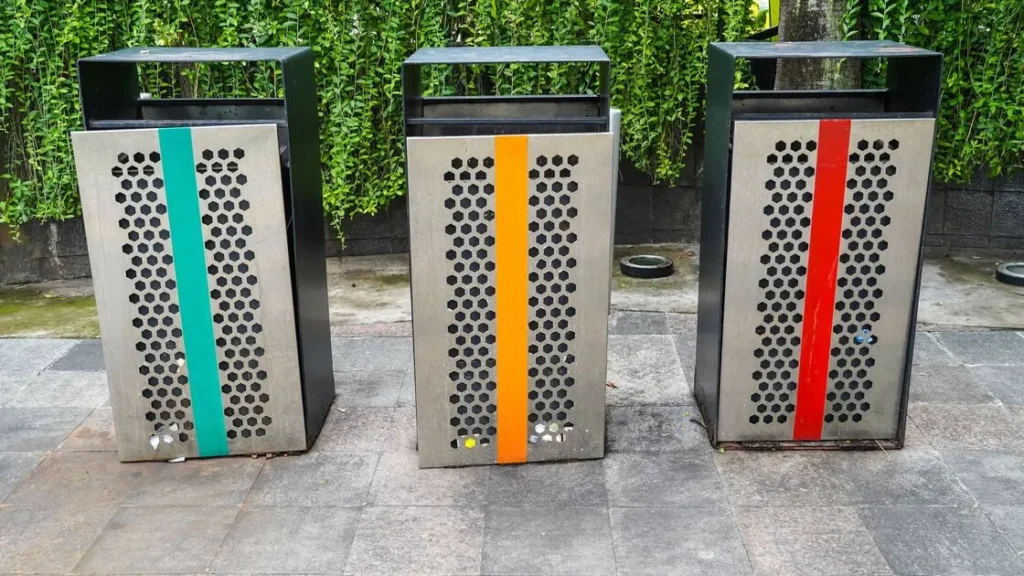
Color-Coded Dustbins have an important part in waste management. Despite raising awareness of a sustainable lifestyle, there are many people who randomly mix every type of waste in a single bin and throw it in a dump yard. But, in fact, this is not at all eco-friendly way. Organic waste, recyclable materials, and biowaste shouldn’t be mixed. When we aim for greener and cleaner surroundings, we should consider waste management and segregation as a vital part of our daily routine. Here is where color-coded dustbins come in handy for us. In this blog post, let us look at what benefits these color-coded dustbins offer and how to use them. Why Should We Need Color-Coded Dustbins? The concept of different colored dustbins basically helps in waste segregation. According to Waste Management Rules, 2016, waste segregators must separate wastage into three categories: dry, wet, and hazardous. Just like different types of recycle bins, they created different types of colored dustbins. Waste management and recycling companies encounter a broad range of materials when collecting, disposing of, or recycling waste. There are numerous options for gathering various types of trash. However, a well-defined system, such as color-coding dustbins, assists in understanding what’s inside each trash can and keeps workers safe as they work in these sectors. This is why the government of India has provided strict guidelines for color-coded dustbins. Along with helping them recognize what might be in those dustbins, these colored dustbins help them handle each bin according to their color. For example, recycling materials can be quickly sent to the recycling facilities, and it will help them separate the things that cannot be recycledeasily. Different Colors of Dustbins and Their Utilities There are different colors of bins which are used for different purposes. Depending on the municipality authorities, these colors may differ from one place to another. However, the following colors are commonly used. 1. Red Color-Coded Dustbins These are used for hazardous waste. Biomedical waste, such as cotton bandages or anything containing human fluids, should be separated and disposed of using the red dustbin. It could potentially include human fluids. This dustbin is ideal for getting rid of our old masks. The red dustbins are also ideal for getting rid of sharp objects like broken glass and needles because they are not designed for waste workers to manually contact them. Also, general household trash that is unsuitable for the recycling or organics bins should be placed in the red dustbin. 2. Green Color-Coded Dustbins These green dustbins are used for wet waste. Vegetable scraps and fruit scraps can be thrown in compostable bins. However, if you don’t have compostable bins, you can dump them in green dustbins. You can also dump animal products, coconut shells, etc, in these bins, along with kitchen scraps. These bins are most commonly seen on the road. To keep odors contained, the top of the majority of these dustbins has a covered lid. Different vegetable peelings and scraps are disposed of in green dustbins. The dustbin holes are sealed because breathing in these odors can seriously harm your health. 3. Blue Dustbins Blue Dustbins are also seen as very common and are used to collect dry wastes. They are used to get rid of garbage that doesn’t biodegrade. The materials inside the blue dustbins are collected for recycling. This explains why you’ve probably noticed the majority of municipal employees moving around with the blue dustbins to gather household rubbish. As the waste inside the blue dustbins goes for recycling, you shouldn’t put any damp scraps on them. 4. Yellow Dustbin These are used for biochemical wastage. In the medical and healthcare industries, such as hospitals, yellow dustbins are frequently used to hold potentially contagious objects that may have come into contact with chemicals. Items such as gloves, aprons, masks, bandages, plasters, empty saline bags, and wipes are frequently disposed of in yellow dustbins. Benefits of Using Color-Coded Dustbins Conclusion Color-coded dustbins encourage environmentally conscious behaviors and sustainable waste management techniques. These bins enable people to actively participate in resource conservation, pollution reduction, and protecting the environment for future generations by simplifying the waste sorting process. When we throw the waste in these color-coded dustbins, we can quickly achieve a cleaner and greener environment around us.